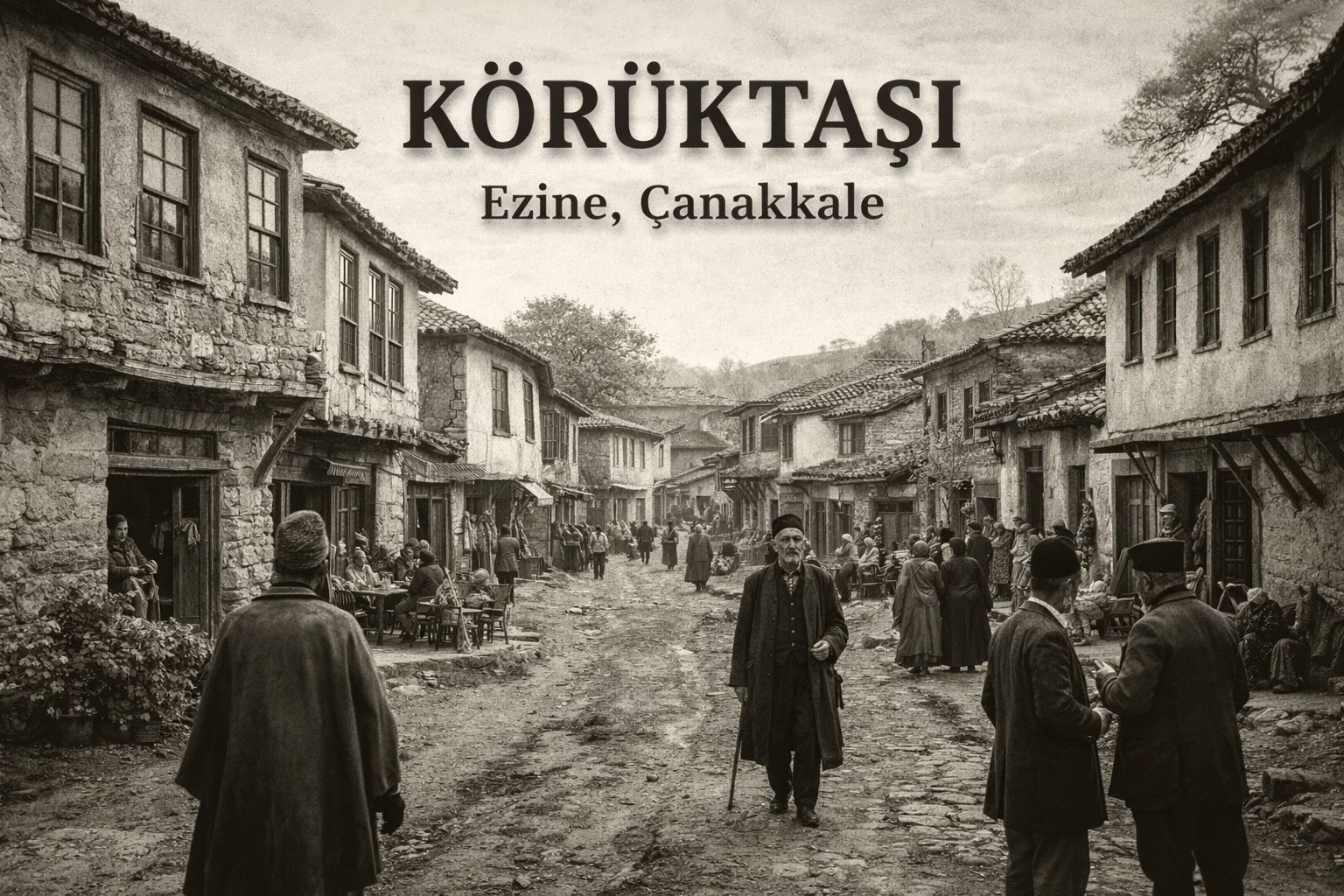
Körüktaşı is a small rural village located in the Ezine district of Çanakkale. Set within the wider Marmara region, the village forms part of an area known for its agricultural traditions, layered history and strong connections between land and community. Although modest in size and little known beyond its immediate surroundings, Körüktaşı reflects the enduring character of Anatolian village life.
Location and Physical Setting

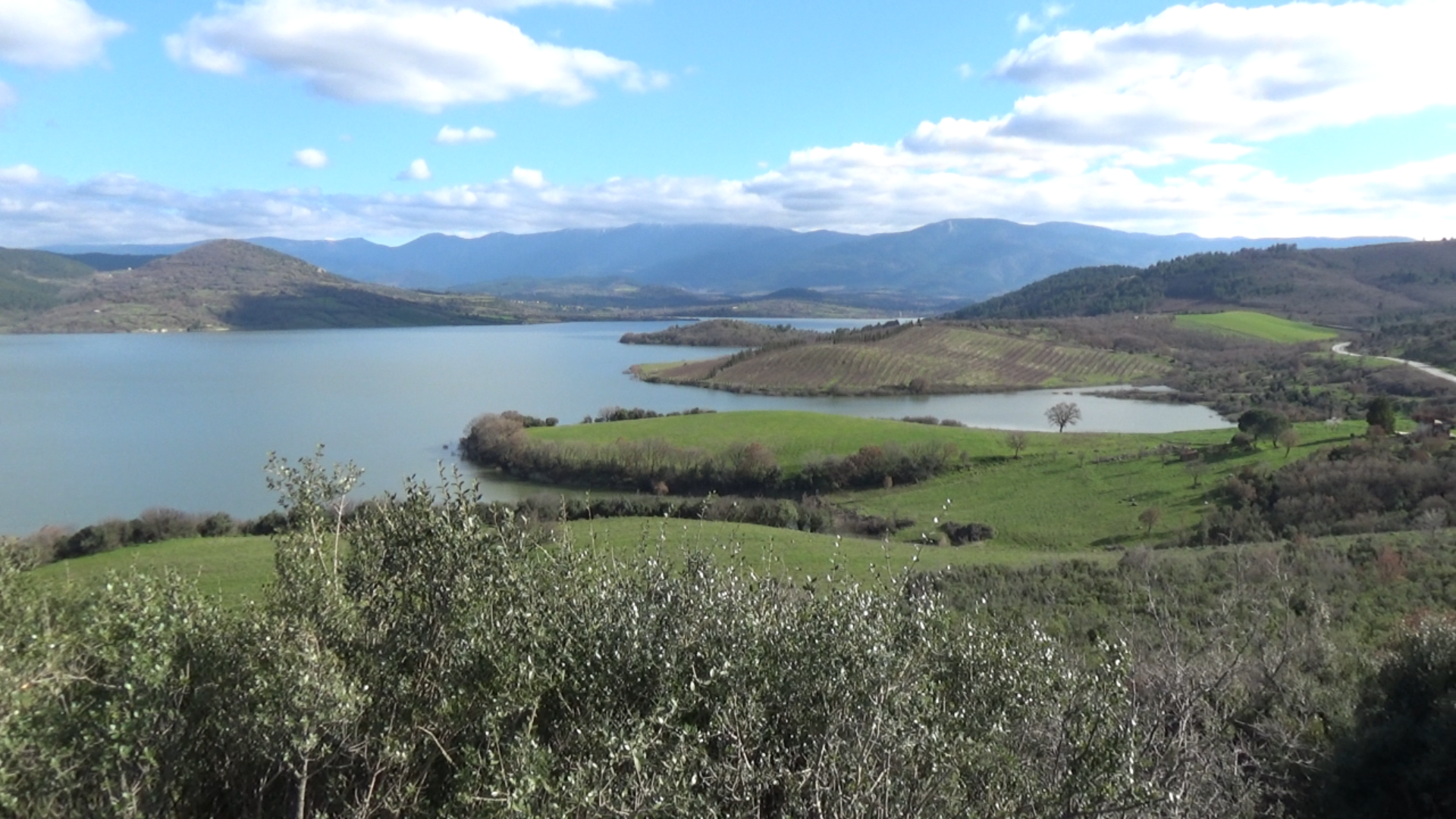
The village lies approximately fifteen kilometres from the town of Ezine and around sixty kilometres south-west of the city of Çanakkale. Positioned at an elevation of roughly 250 metres above sea level, Körüktaşı occupies gently undulating countryside typical of inland Marmara landscapes.
The surrounding terrain is composed of arable fields, grazing land and scattered rocky outcrops. The local climate is transitional, combining elements of the Aegean and Marmara regions, with warm, dry summers and cooler, wetter winters. These conditions have historically supported mixed farming, including crop cultivation and animal husbandry.
Historical Background
Early Settlement and Recorded History
While the area around Ezine has been inhabited since antiquity, including the classical and Roman periods, Körüktaşı itself appears to have developed as a small rural settlement rather than a major historical centre. The earliest formal records of the village date to the late Ottoman period.
At the beginning of the twentieth century, the settlement was recorded under the name Feranlı, indicating that the village has undergone at least one official name change. Such changes were common during the final decades of the Ottoman Empire and the early years of the Turkish Republic, when administrative reforms led to the standardisation or replacement of older place names.
Origin of the Name “Körüktaşı”

The current name Körüktaşı is of Turkish origin and is composed of two words:
- Körük, meaning a bellows, traditionally used to intensify fire, and often associated metaphorically with force, energy or expansion
- Taş, meaning stone
Place names ending in “-taş” are common in rural Anatolia and usually refer to a notable stone, rocky formation or geological feature in the local environment. Although no definitive historical explanation survives, the name Körüktaşı most likely refers to a distinctive rock or stone feature that once served as a local landmark.
Age and Development of the Village
Based on available historical records, Körüktaşı is likely to be several centuries old, with its development tied to agricultural expansion and settlement patterns during the Ottoman era. Like many villages in the Ezine hinterland, it probably emerged as a small farming community serving local landowners or pastoral families rather than as a planned settlement.
Over time, the village evolved gradually, shaped by farming cycles, family lineages and regional administrative changes. Its long continuity reflects the stability of rural settlement patterns in this part of north-western Anatolia.
Population and Demographic Characteristics
Körüktaşı has a small population, numbering fewer than two hundred residents in recent years. As with many rural villages across Türkiye, it has experienced a gradual decline in population due to migration to larger towns and cities, particularly among younger generations seeking employment and education.

Those who remain are often older residents or families with strong ties to agriculture and the land. Seasonal movement between the village and urban centres is common, with some households maintaining homes in both.
Economic Life
Agriculture and Livestock

The village economy is traditionally based on agriculture and animal husbandry. Local residents cultivate field crops and maintain small-scale livestock, including cattle, sheep and poultry. Olive growing is also common in the wider Ezine region, and village households often produce olive oil and dairy products for personal use.
Körüktaşı lies within a district renowned for its dairy heritage, particularly Ezine cheese, and although the village itself does not operate large commercial facilities, pastoral farming remains central to daily life.
Social Structure and Daily Life

Life in Körüktaşı is defined by close social ties, shared labour and long-standing traditions. The village mosque serves as both a religious and social focal point, hosting daily prayers as well as gatherings during religious festivals.
Formal amenities are limited due to the village’s size. In the past, there was a local primary school, but today children typically attend schools in nearby settlements via transported education services. Basic needs are met through Ezine town, which residents visit regularly for shopping, healthcare and administrative matters.
Cultural Identity

The cultural identity of Körüktaşı reflects that of the broader Ezine countryside. Traditional food preparation, seasonal agricultural routines and neighbourly cooperation remain important aspects of village life. Religious holidays, family gatherings and communal events help maintain social cohesion despite the village’s small population.
While not a tourist destination, Körüktaşı embodies the quieter, everyday heritage of rural Türkiye, where history is preserved through continuity of practice rather than monumental architecture.
Relationship with the Wider Region
Administratively and economically, Körüktaşı is closely linked to Ezine. The district itself has a rich historical background, influenced by ancient Troas, Ottoman administration and modern republican reforms. Residents of Körüktaşı participate in this wider regional life while maintaining a strong local identity rooted in the village.
Conclusion
Körüktaşı is a small but enduring village whose significance lies not in size or fame, but in its continuity. With roots reaching back to the Ottoman period and possibly earlier, a name shaped by geography, and a way of life grounded in agriculture and community, it represents a classic example of the Anatolian rural settlement. In an era of rapid urbanisation, Körüktaşı stands as a reminder of the long-standing relationship between people, land and local tradition in the Ezine region of Çanakkale.






Leave a Reply