
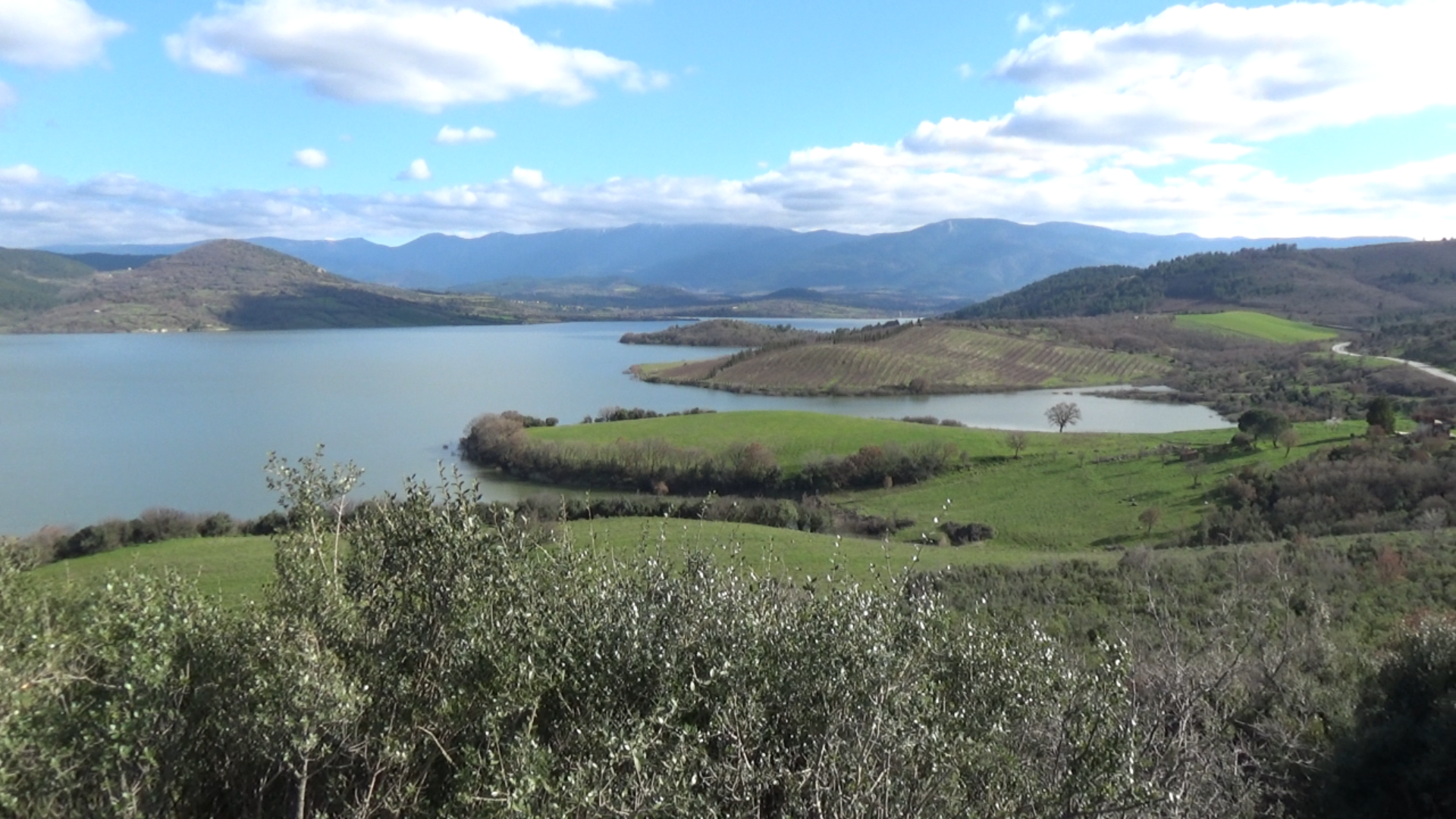
Heavy winter rainfall around Çanakkale can fill reservoirs quickly, and it is quite normal for the ground to appear dry again by mid-March even after a very wet February. This happens because temperatures begin to rise in early spring and the region often experiences strong winds which dry the surface soil rapidly. In addition, the soils in much of the area can retain moisture deeper underground while the top layer dries out, so the land can look much drier than it actually is.
If the main reservoirs, such as Atikhisar Dam and other local water storage systems, reached high or full levels during February’s heavy rains, this is generally a positive sign for the rest of the year. Water systems in the region are designed with the expectation that rainfall will be limited during the summer months, and full reservoirs at the end of winter usually provide a good buffer for the dry period between June and September.
The most important factors for water availability through the summer are reservoir levels in early spring, additional rainfall during March and April, and the amount of water used for agriculture and tourism during the warmer months. Rain and runoff from the Kaz Dağları also contribute to the rivers and reservoirs that supply the area. Given that February was particularly wet and reservoirs are already full, there is a strong likelihood that there will be sufficient water for the summer of 2026 even if rainfall in March is limited, unless the region experiences an unusually long and very hot summer combined with exceptionally high water demand.




Leave a Reply