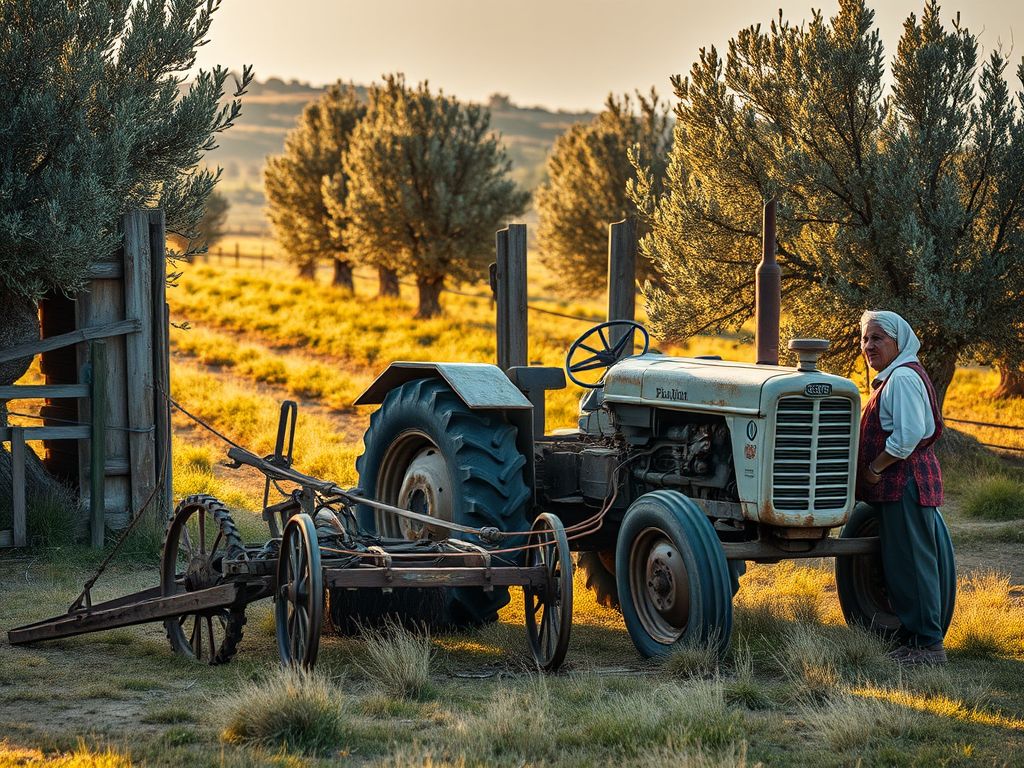
Uluköy is inland in the southern countryside of Ezine. It is often referred to together with the wider Kestanbol area, a name historically associated with the surrounding landscape rather than the village itself. Uluköy remains a quiet agricultural settlement where village life continues much as it has for generations.
Location and distance from Ezine
Uluköy is located approximately 17 kilometres south of Ezine, connected by rural roads that pass through farmland and low hills. While Ezine provides higher level services and administration, Uluköy functions as a local centre for surrounding smaller settlements.
Historical background
The Uluköy Kestanbol area has been settled for a very long time. Its history is closely tied to the natural resources of the land, particularly fertile soils and abundant stone, both of which influenced settlement patterns from antiquity through the Ottoman period and into the modern era.
The name Kestanbol appears in historical and academic sources primarily as a regional designation, reflecting a broader rural landscape rather than a single village. Uluköy is one of several settlements that inherited this long standing regional identity.
A landscape older than the village

Although Uluköy itself is a quiet agricultural settlement, it lies within the wider Kestanbol region, an area known since antiquity for large scale granite extraction. The surrounding landscape once supplied stone for monumental architecture far beyond the Ezine countryside, linking this rural area to the ancient Mediterranean world.
While Uluköy did not develop as an industrial centre, settlement continued because of fertile land, accessible inland routes and abundant stone. Over time, activity shifted from ancient quarrying to farming, allowing the village to evolve without losing its rural character. This long continuity of land use gives Uluköy a history that reaches far deeper than its present day appearance.
Landscape and geology
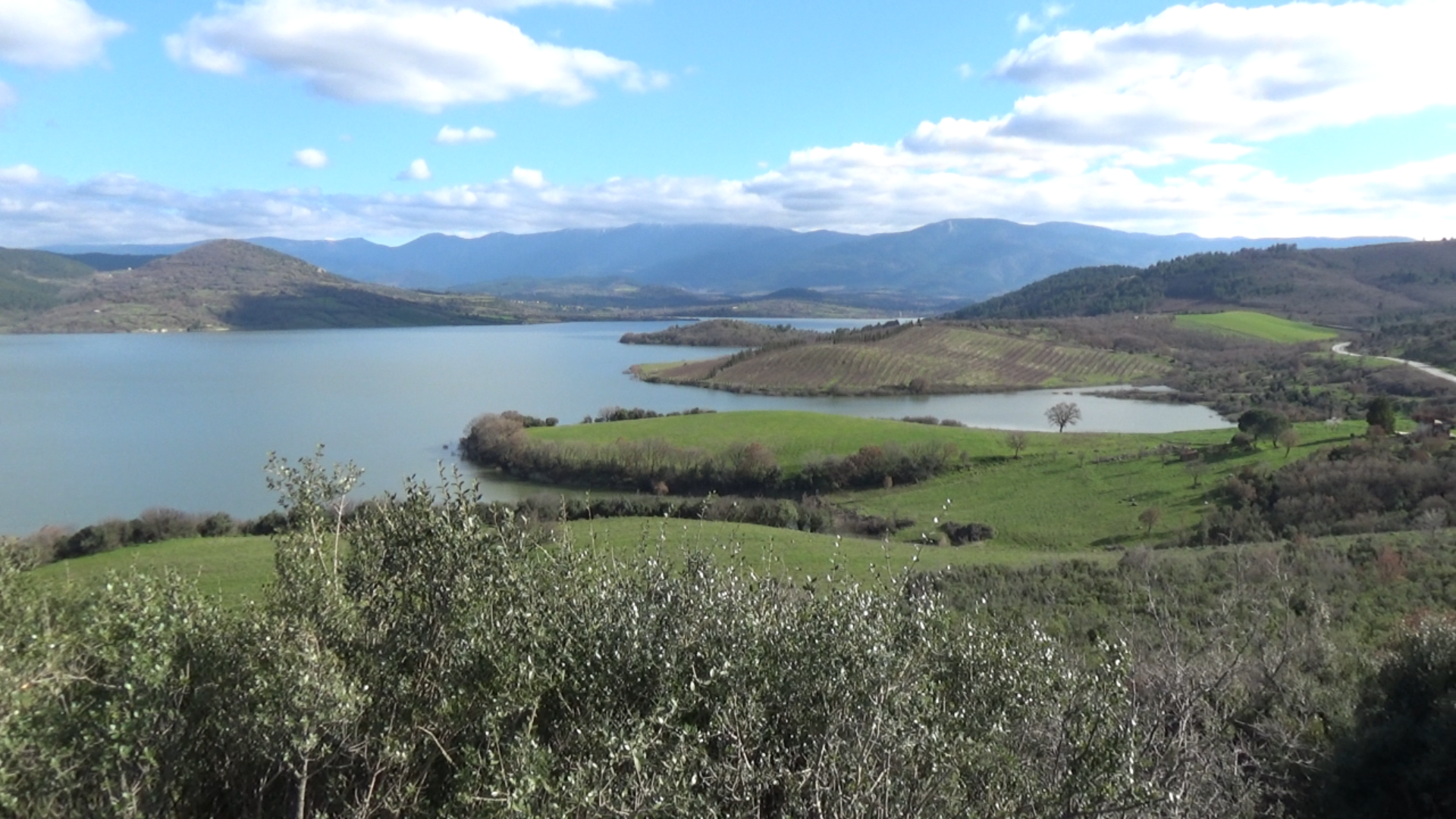
Uluköy sits in a granite rich landscape characteristic of the southern Ezine region. Large natural boulders and exposed rock formations are common in fields and on surrounding hillsides. This geology has shaped land use, building materials and even road layouts over time.
Stone is visible throughout the village in boundary walls, farm buildings and older houses, reflecting centuries of practical use of locally available materials.
Agriculture and village economy
The economy of Uluköy is firmly based on agriculture and animal husbandry. Families typically rely on mixed farming, combining crop cultivation with livestock in line with traditional Ezine countryside practices.
Common activities include
• cereal and fodder crops
• olive cultivation
• household vegetable gardens
• sheep and goat farming
• small numbers of cattle
Some residents supplement farming with work in construction, transport or services in nearby towns, but Uluköy remains fundamentally a working agricultural village.
Village facilities and services
Uluköy is relatively well equipped compared with smaller neighbouring villages and serves as a local service centre. Facilities in the village include
• a primary school
• local shops and small grocery stores
• a bakery
• a barber
• vehicle and equipment repair services
• a fuel station
• basic health services
These amenities give Uluköy a central role in daily rural life for the surrounding area.
The mosque and religious life
The village mosque remains a central feature of Uluköy’s social and religious life. Local references indicate the presence of an older mosque, sometimes referred to as an Ulu Cami, suggesting long standing religious continuity.
As in many Ezine villages, the mosque functions not only as a place of worship but also as a key social space, particularly on Fridays and during religious festivals.
Buildings and village character
Uluköy retains a traditional rural layout, with older houses built from local stone and newer homes reflecting gradual, steady development rather than rapid change. Farmyards, storage buildings and boundary walls reflect a practical architecture shaped by agriculture and the granite landscape.
The village has avoided large scale modern development, preserving a sense of continuity and authenticity.
A village rooted in land and stone
Uluköy (Kestanbol) is not defined by tourism or landmark attractions, but by everyday rural life. Its history is written into its fields, stone walls and long continuity of settlement within a landscape valued since antiquity.
For visitors interested in authentic Çanakkale village life, agriculture and landscapes shaped by geology, Uluköy offers a quiet but deeply rooted example of how rural communities continue to function away from the coast and main roads.






Leave a Reply