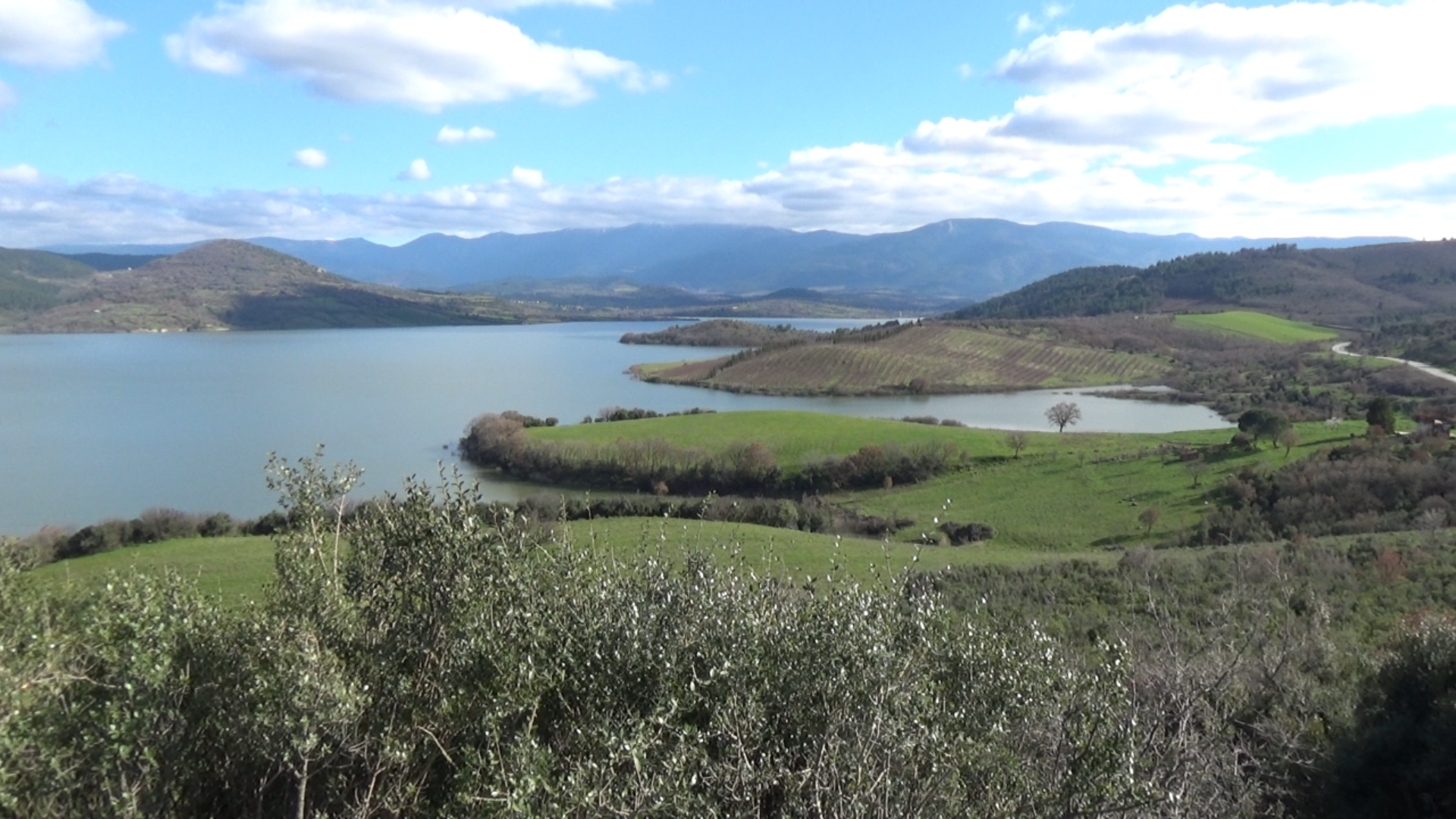
Alemşah – Ottoman Period
Introduction
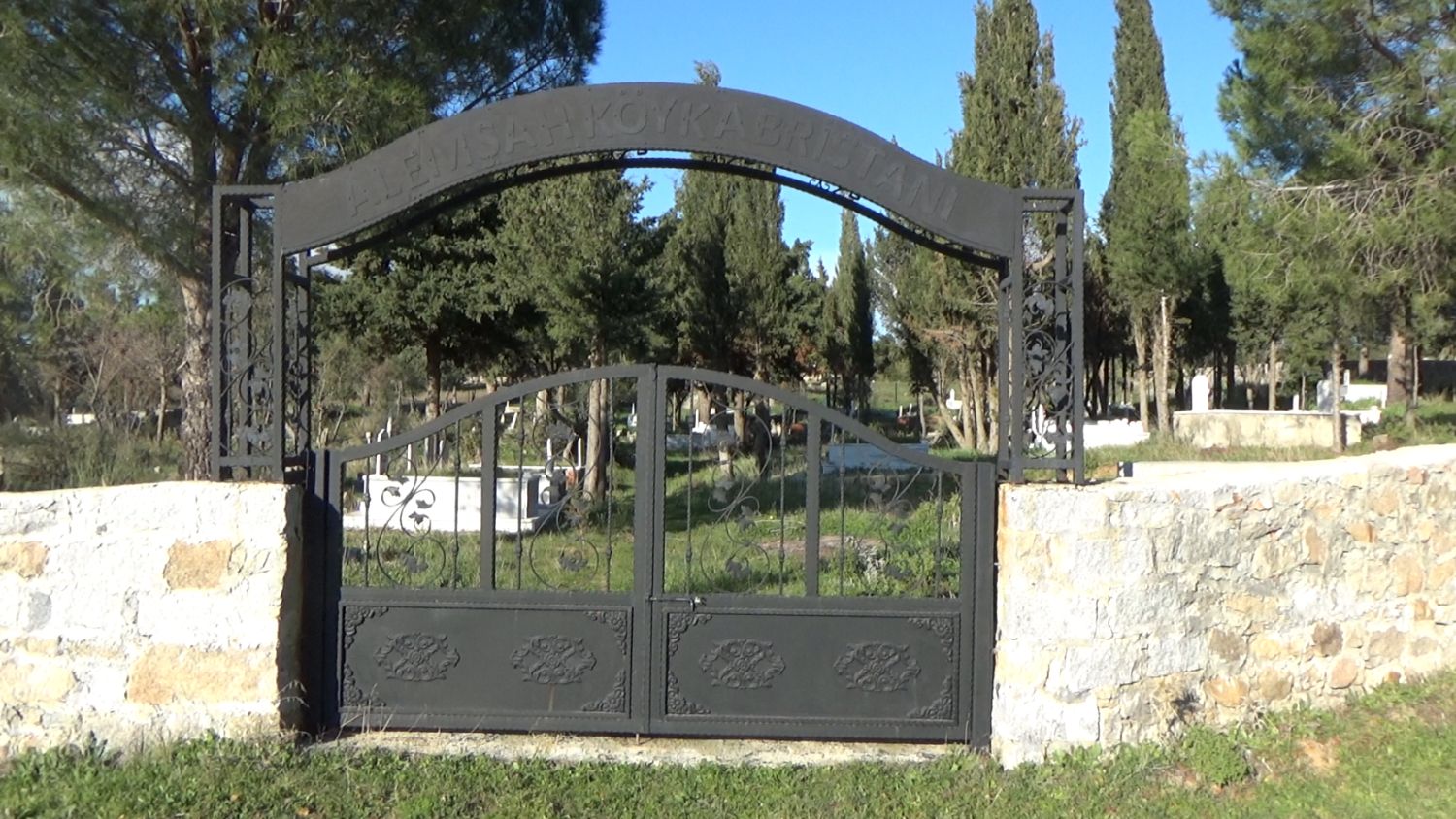
During our visit to the cemetery of Alemşah Köyü, we identified a small number of Ottoman-era gravestones that still survive today. Although the cemetery is modest in size, several of the stones preserve legible inscriptions that provide valuable insight into the religious life, family structure, and social standing of the village during the late Ottoman period.
Using close-range photography and careful transcription, it was possible to read and interpret the inscriptions on two of the stones. A third stone, although clearly Ottoman in form, is now too heavily worn to be read and has therefore been recorded as unreadable. It has been intentionally retained in the list to preserve the integrity of the burial record.
The inscriptions follow well-established Ottoman funerary conventions, including prayers, lineage information, and the use of religious titles such as Hacı, indicating pilgrimage to Mecca. Together, these stones offer a small but meaningful snapshot of village life in Alemşah during the 18th and 19th centuries.
Recorded Graves
Alemşah Köyü – Mezar Taşı 1
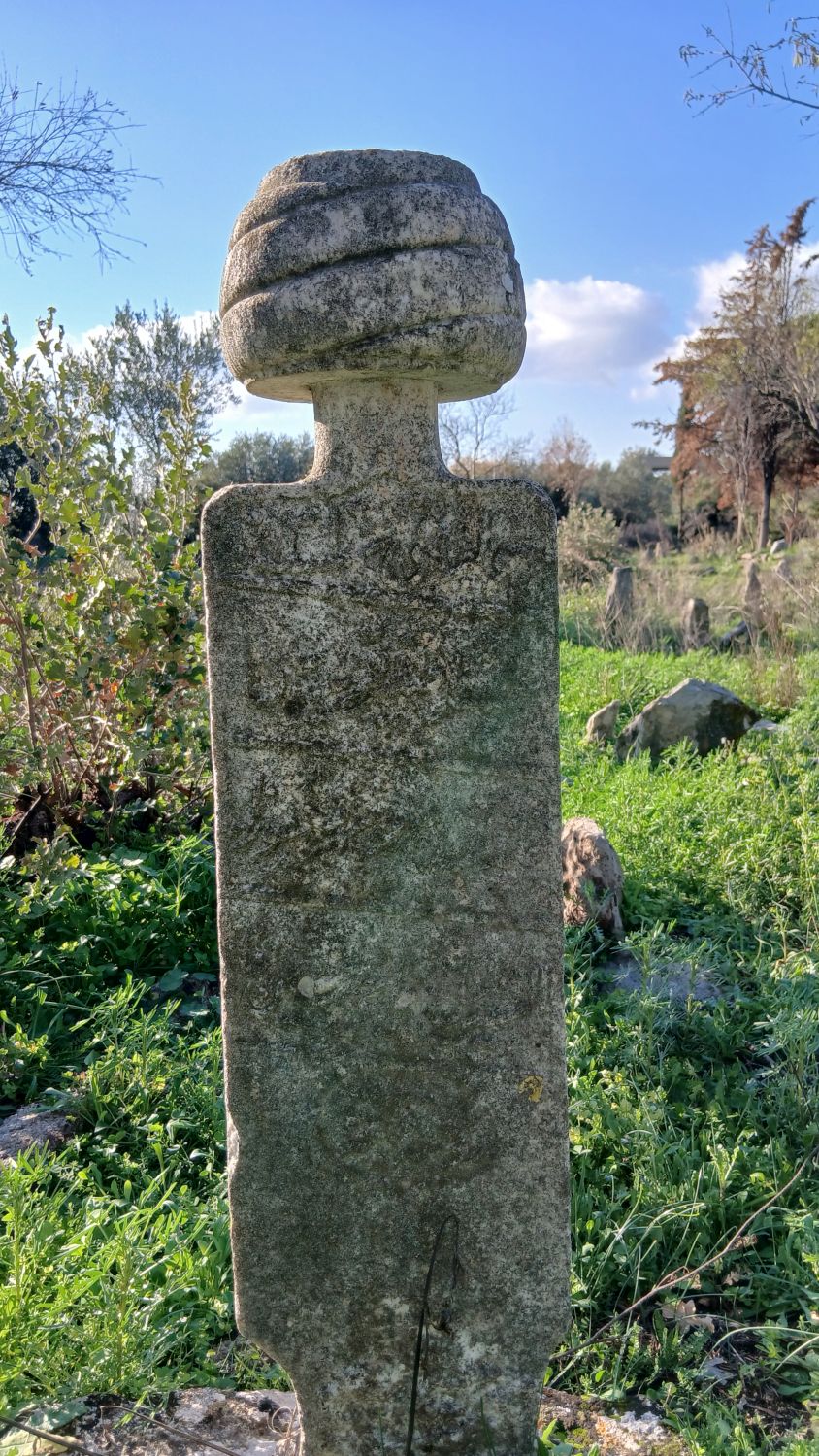
Status: Inscription unreadable
Type: Osmanlı erkek mezar taşı (başlıklı şahide)
Notes
- The stone’s form and proportions are consistent with Ottoman male gravestones.
- The inscription surface has completely eroded.
- Despite being unreadable, the stone is retained in the catalogue for completeness.
Alemşah Köyü – Mezar Taşı 2
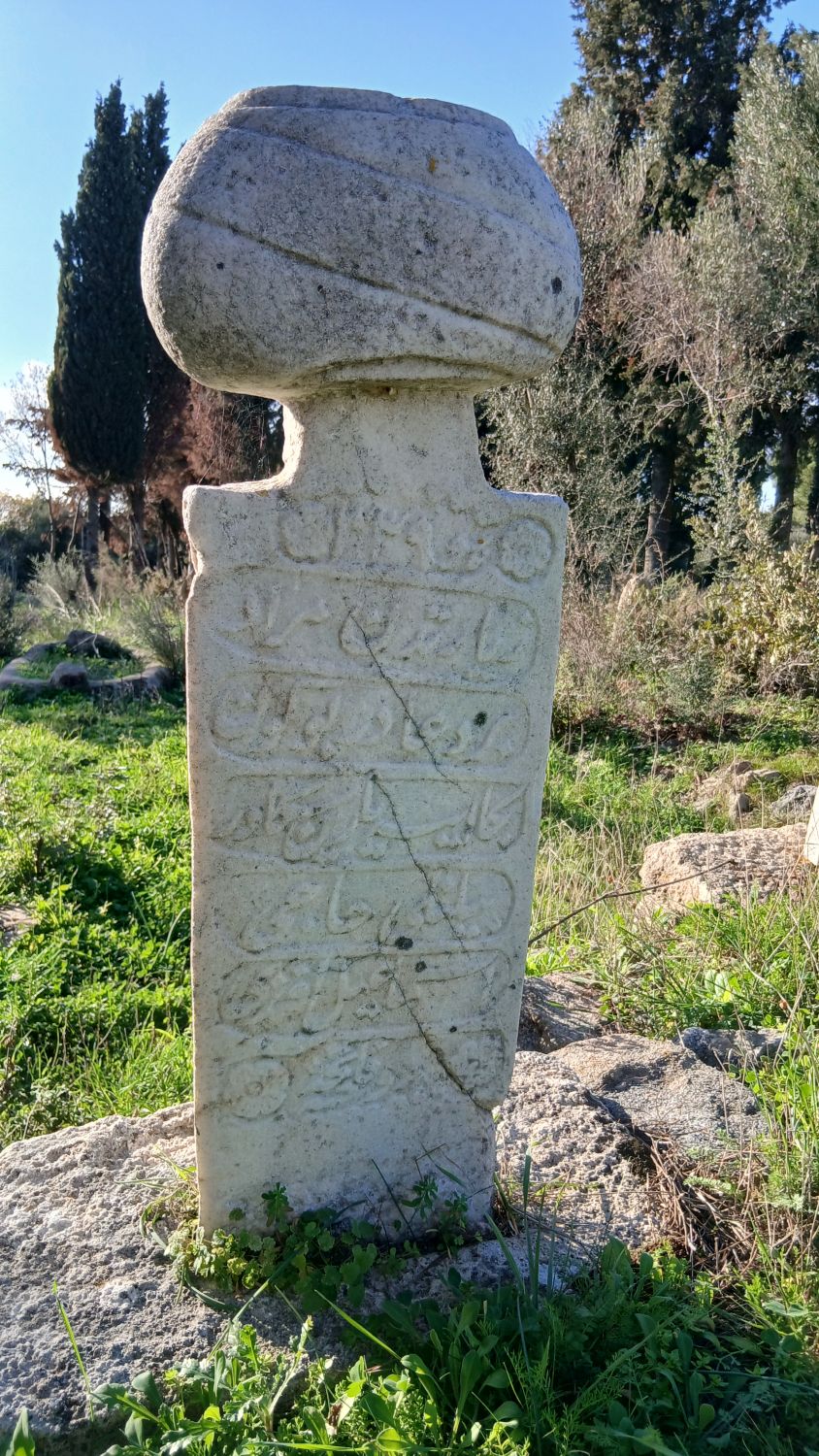
Ottoman Turkish (Latin transcription)
Hüve’l-Bâkî
Merhûm ve mağfûr
Hacı
Mehmed
bin Abdullah
Rûhuna el-Fâtiha
Sene 12– –
Modern Turkish
O, bâkî olandır.
Merhum ve mağfur
Hacı
Mehmed,
Abdullah’ın oğlu.
Ruhu için el-Fâtiha.
Sene 12– – (Hicrî)
English Translation
He is the Everlasting.
The late and forgiven
Hacı
Mehmed,
son of Abdullah.
For his soul, the Fātiha.
In the year 12– – (Hijri).
Details
- Name: Mehmed
- Father: Abdullah
- Title: Hacı
- Gender: Male
- Date: Hijri 12– – (final digits lost)
- Estimated period: Early–mid 19th century
Alemşah Köyü – Mezar Taşı 3
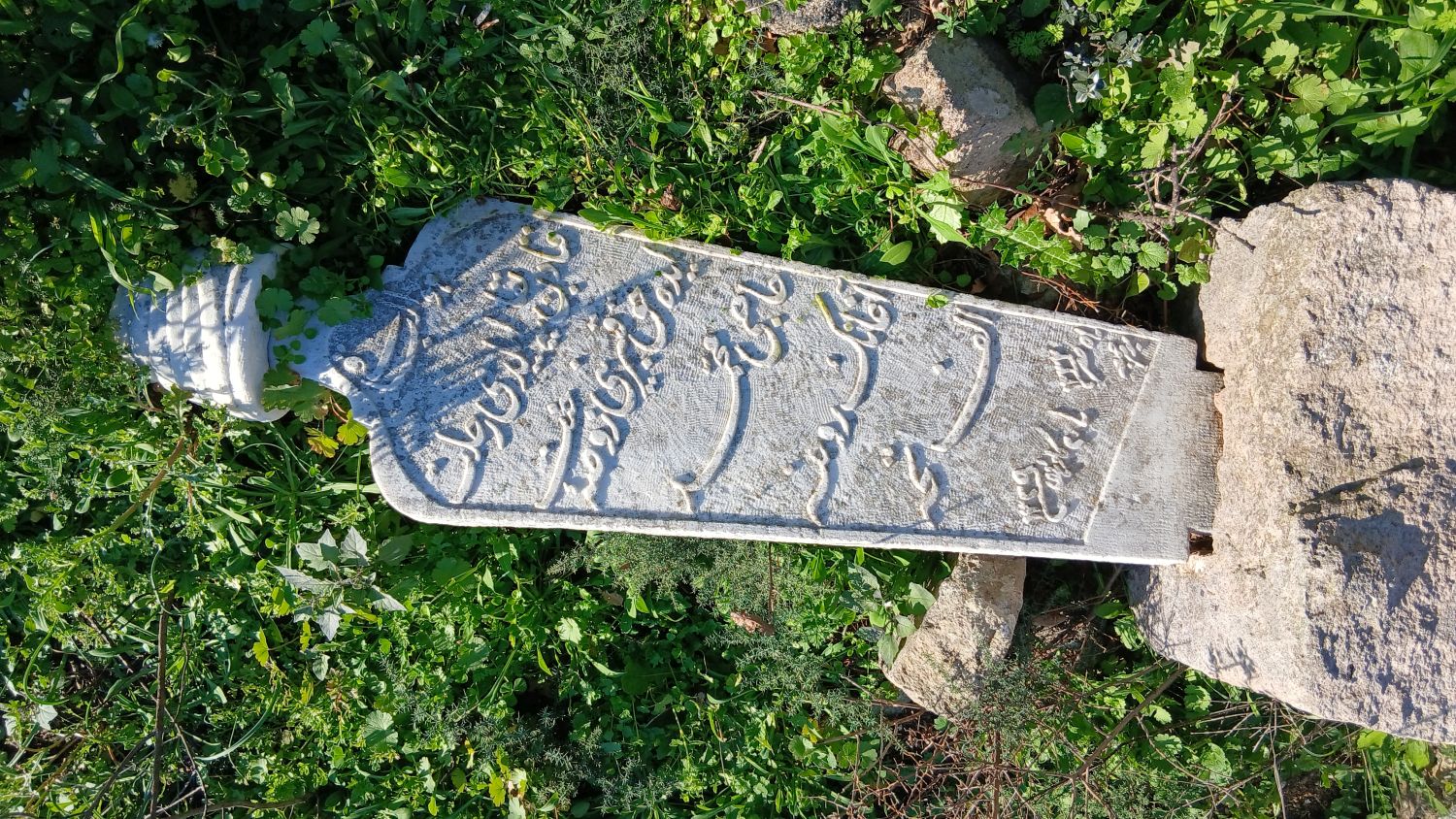
Ottoman Turkish (Latin transcription)
Hüve’l-Bâkî
Merhûm ve mağfûr
Hacı
Mehmed
bin Mustafa
Rûhuna el-Fâtiha
Sene 12– –
Modern Turkish
O, bâkî olandır.
Merhum ve mağfur
Hacı
Mehmed,
Mustafa’nın oğlu.
Ruhu için el-Fâtiha.
Sene 12– – (Hicrî)
English Translation
He is the Everlasting.
The late and forgiven
Hacı
Mehmed,
son of Mustafa.
For his soul, the Fātiha.
In the year 12– – (Hijri).
Details
- Name: Mehmed
- Father: Mustafa
- Title: Hacı
- Gender: Male
- Date: Hijri 12– – (partially lost)
- Estimated period: Late 18th – early 19th century
- Condition: Stone lying flat; headpiece broken
Analytical Summary – Alemşah Köyü
The Alemşah Köyü gravestones reflect a small but established Ottoman rural community. The repeated appearance of the title Hacı indicates that at least some villagers undertook the pilgrimage to Mecca, suggesting religious devotion and a degree of social standing. The consistent use of traditional Ottoman funerary formulas places these burials firmly within the late 18th and early 19th centuries.
The inclusion of fathers’ names provides a basis for future genealogical research, while the deliberate recording of an unreadable stone ensures a transparent and methodical approach. Although limited in number, the Alemşah graves preserve an important fragment of the village’s Ottoman-period history.
Summary Table – Alemşah Köyü Mezar Taşları
| Mezar No. | Name | Father | Title | Gender | Hijri Date | Approx. Period |
|---|---|---|---|---|---|---|
| 1 | — | — | — | Male | — | Ottoman |
| 2 | Mehmed | Abdullah | Hacı | Male | 12– – | c. 19th century |
| 3 | Mehmed | Mustafa | Hacı | Male | 12– – | c. late 18th – early 19th century |
To return to the main Alemşah Köyü web page please click here