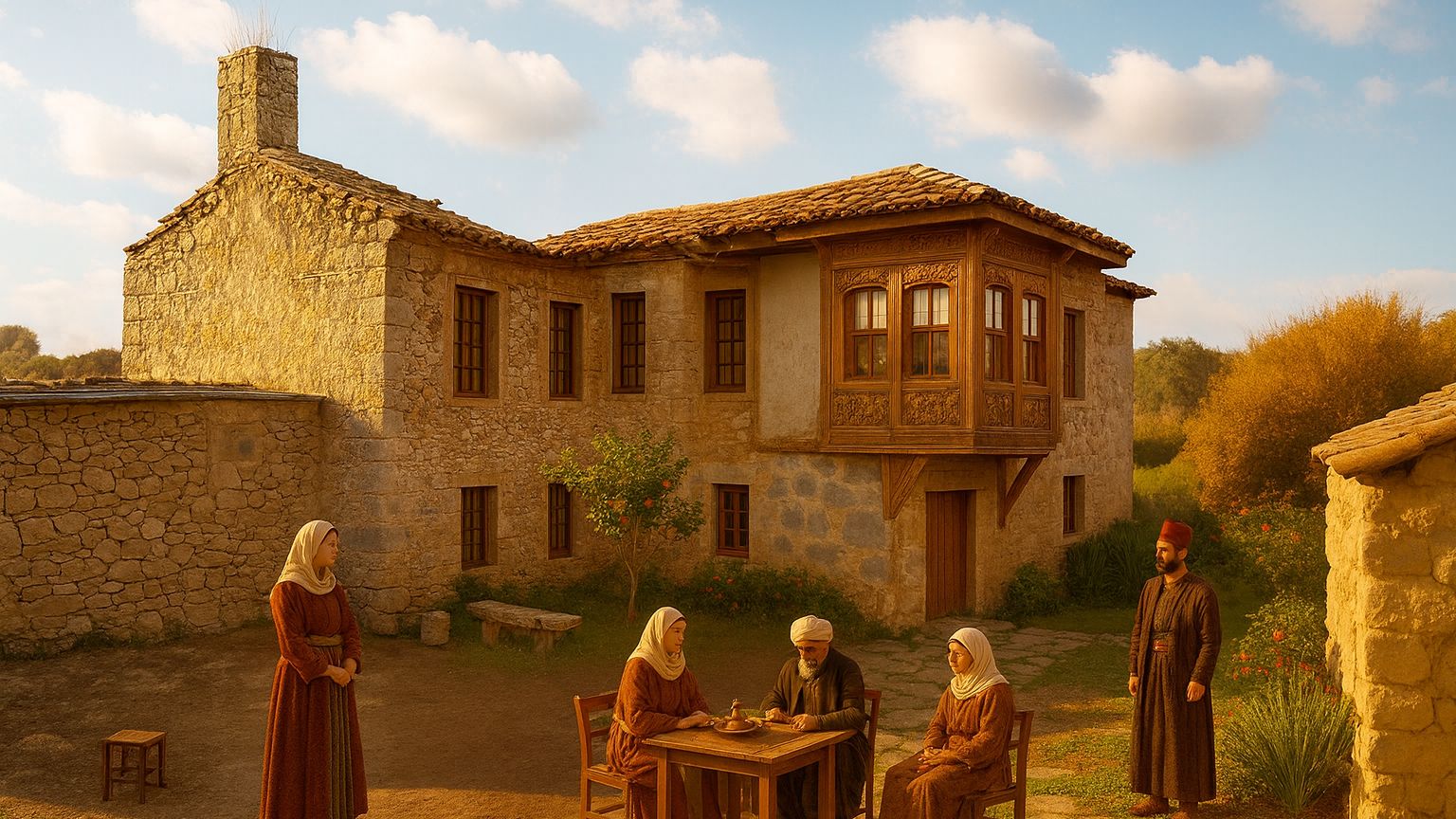
Alemşah (Alemşah Köyü) is a small rural village in the Ezine district of Çanakkale province, located slightly inland from the Aegean coast and close to Tavaklı and Tavaklı İskelesi. Set on a hillside among gently rolling farmland, the village forms part of one of Çanakkale’s older and more characterful rural landscapes, reflecting centuries of agricultural life in the northern Aegean.
History and origins
Alemşah is known to be an old settlement, with its name appearing in Ottoman-era records and maps of the region. Sources indicate that the village existed at least as early as the 16th century, suggesting continuous habitation since early Ottoman times. As with many villages around Ezine, its development was closely tied to farming, animal husbandry and local trade routes linking inland settlements with the coast.
The Palamutçu Hüseyin Ağa Mansion

One of Alemşah’s most important historical structures is the Palamutçu Hüseyin Ağa Mansion, a registered historical building dating from the late Ottoman period. The mansion is associated with Hüseyin Ağa, locally known by the nickname Palamutçu — a name possibly connected to the chestnut (palamut) trade, which was once an important rural economic activity in parts of the region.
Situated prominently within the village, close to other heritage features such as a historic fountain, the mansion immediately draws attention as a symbol of Alemşah’s past prosperity. Built using local stone and traditional construction techniques, it reflects the architectural style and domestic organisation of a wealthy rural household during the final decades of the Ottoman Empire.
Academic studies and local research identify the Palamutçu Hüseyin Ağa Mansion as a key cultural element within the village landscape, representing both social status and architectural heritage. Although the building still preserves much of its original character, it faces challenges common to many rural Ottoman-era structures, including limited modern use and the effects of time. While no major recent restorations are recorded, the mansion remains legally protected as a cultural asset, ensuring its historical value is formally recognised.
Other local features

In and around Alemşah, particularly near old paths and small bridges, there are reports of reused stone blocks and column fragments. Although these are not part of a formal archaeological site, they suggest much earlier activity in the surrounding landscape, possibly dating back to classical or Roman periods, which are common across the wider Troad region.

An Ottoman-period inscription plaque is set into the masonry of the old village fountain. Carved in Ottoman Turkish (Osmanlıca), it records the religious dedication of the water source. The inscription opens with the standard Islamic invocation “In the name of God, the Most Merciful, the Most Compassionate” (Bismillâhirrahmânirrahîm), and includes wording indicating that the spring was established or maintained “for the sake of God”, reflecting the Ottoman tradition of charitable water endowments (hayrat).
Although erosion has obscured the donor’s name and any precise date, the style and wording suggest a construction or restoration date in the 18th or 19th century. The inscription demonstrates that the spring was regarded not only as a practical resource, but as a religious and communal act of charity, providing valuable insight into Ottoman-era village life in Alemşah.

The village graveyard also appears to contain several very old granite tombstones, and a few marble ones, including examples from the Ottoman period. While many are heavily worn, the quality of the calligraphy and stylistic features suggest dates in the late 18th or early 19th century. These stones may belong to members of the family associated with the mansion, though further investigation would be required to confirm this. You can view the findings of the research by clicking here.
The village mosque, together with older stone houses and boundary walls, completes the picture of a traditional Aegean village, where buildings are closely connected to the land and constructed using local materials.
The Alemşah Reservoir (Alemşah Göleti)

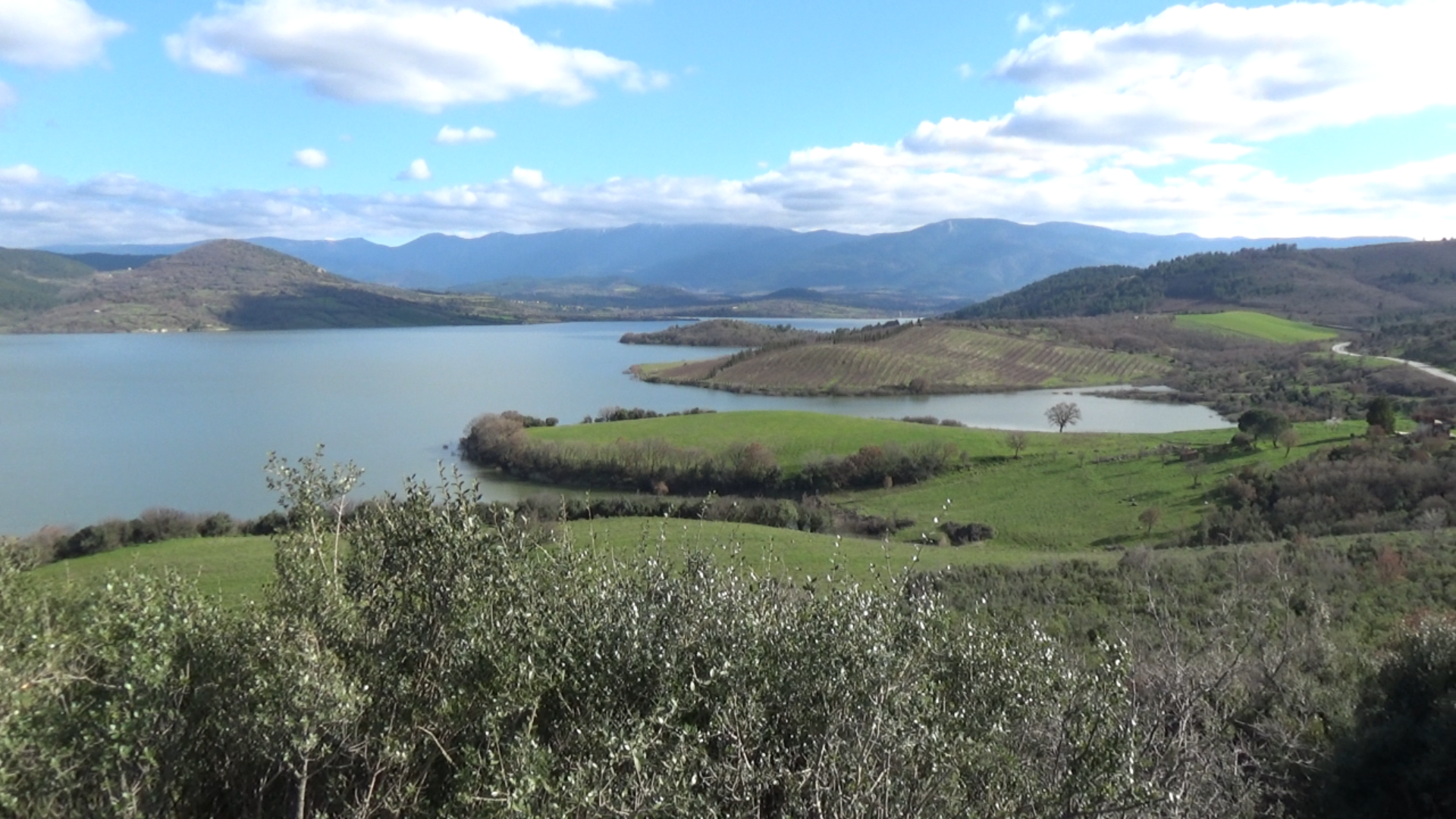
Next to the village lies the Alemşah Reservoir, a small gölet constructed as part of regional irrigation and water management projects in the Ezine district. Its primary function is to collect winter rainfall and provide water during the dry summer months, supporting olive groves, small-scale farming and livestock.
Before the reservoir was built, agriculture depended largely on rainfall and seasonal streams. The gölet has helped stabilise agricultural production while blending quietly into the rural landscape, occasionally attracting birds and other wildlife.
Alemşah today
Today, Alemşah remains a small and peaceful village. Like many rural settlements, it has experienced population decline as younger generations move to towns and cities, while interest in land and housing has increased due to its proximity to the coast. Despite these changes, Alemşah continues to retain its traditional character, shaped by agriculture, history and its enduring relationship with the land.





Leave a Reply