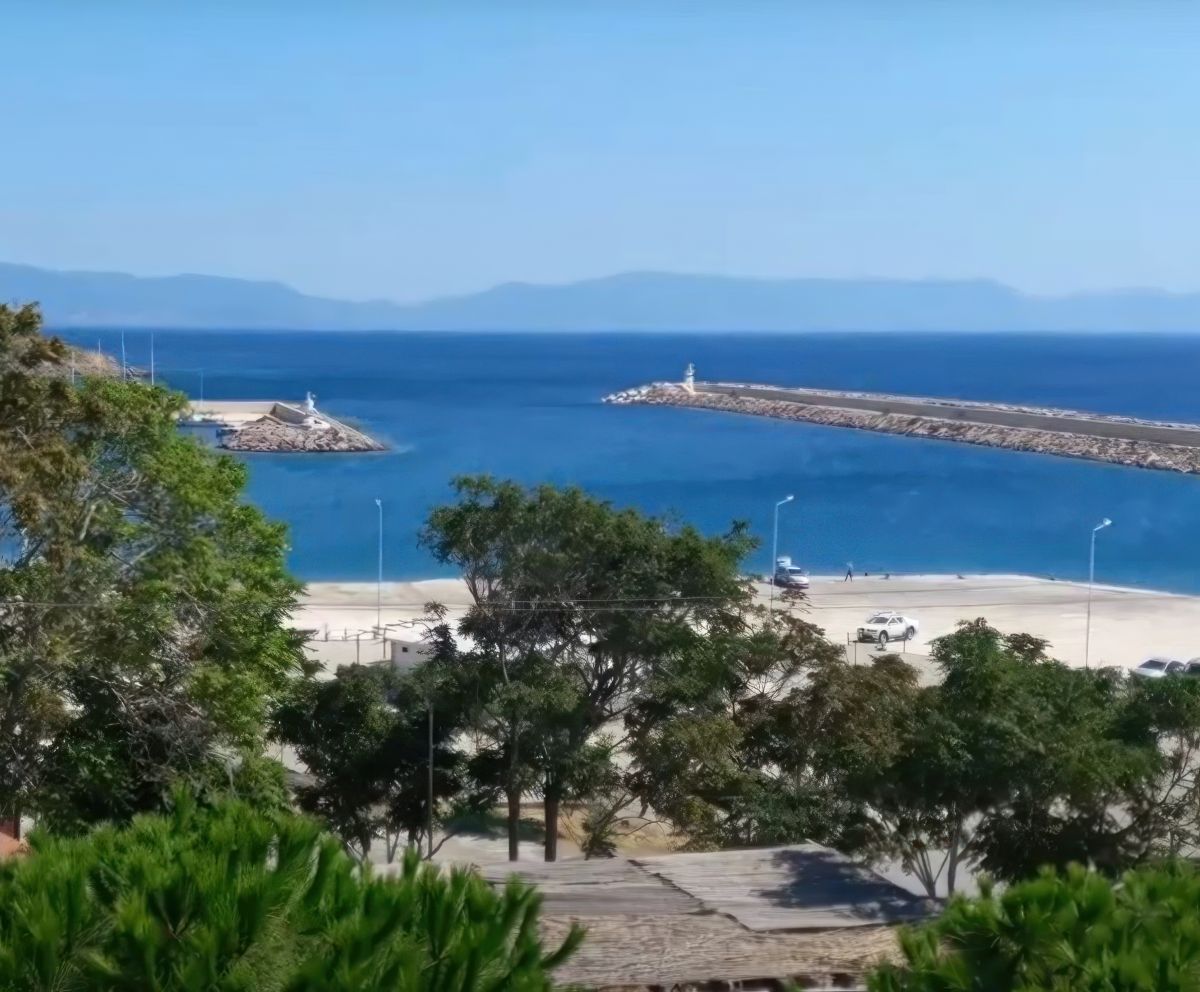
Babakale, Ayvacık
Overview
Babakale is a small and characterful fishing village in the Ayvacık district of Çanakkale Province, located approximately 17 km south-west of Assos (Behramkale). It lies at the very edge of the mainland and is recognised as the westernmost point of the Turkish mainland, giving it a unique geographical and symbolic significance.
The village is reached from Gülpınar via a scenic 8 km road. If you return the same way, this results in a 16 km round trip. However, just before entering Babakale there is a road on the left that climbs up the hillside and reconnects with the main Gülpınar–Assos road. This alternative route is a major advantage for anyone continuing on towards Assos, turning Babakale from a simple detour into a natural and rewarding part of a coastal circuit.
Setting & Landscape
Babakale occupies a dramatic position where steep land meets the open Aegean Sea. The coastline here is rugged, windswept and striking, offering some of the most impressive sea views in the region. From headlands and castle walls, the horizon stretches far across the water, with the Greek island of Lesvos (Midilli) clearly visible on the horizon on calm, clear days.
This exposed setting has shaped Babakale’s identity for centuries, making it both vulnerable to the sea and deeply connected to it.
Origins & Strategic Importance
Babakale’s history is closely tied to its maritime position. In 1723, during the reign of Sultan Ahmed III, an Ottoman fleet took shelter here during a storm. Local villagers reportedly told the Sultan that they had no protection from pirate attacks, which were still a serious threat in the Aegean at the time.
In response, Sultan Ahmed III issued an immediate decree ordering the construction of a defensive fortress. The result was the Babakale Castle, completed shortly afterwards and notable for being the last castle ever built during the Ottoman Empire. Its construction transformed Babakale into a fortified coastal outpost of strategic importance.
Babakale Castle
The castle of Babakale remains one of the village’s most impressive landmarks. Carefully restored, it stands prominently above the village and harbour. From its walls, visitors are rewarded with sweeping views of the coastline, the open sea and the distant outline of Lesvos.
Below the castle lies the marina, surprisingly large for such a small village. Its size reflects Babakale’s long association with fishing and seafaring and provides a striking contrast between the solid stone fortress above and the calm waters of the harbour below.
Religious & Cultural Monuments
One of Babakale’s most distinctive structures is the Latif Baba Mausoleum, a striking white building visible from many points in the village. It is the tomb of Peksimetyemez Latif Baba, a seaman remembered locally for his life at sea and his spiritual significance to the community.
The main mosque of Babakale, built in 1725 by Derya Mustafa Paşa, is another structure of considerable historical importance. Closely associated with the castle and the Ottoman naval presence, the mosque is well worth visiting and forms a key part of the village’s architectural heritage.
Village Life and the Harbour
At its heart, Babakale remains a working fishing village. The harbour is still active, with fishing boats regularly heading out and returning with their catch. Sitting by the harbour and watching the rhythm of daily fishing life is one of the simple pleasures of spending time here.
Today, Babakale has gently developed into a small tourist village, with a limited number of hotels, guesthouses and restaurants. Despite this, it has avoided mass tourism and retains a quiet, almost timeless atmosphere. It is a place to slow down, sit by the sea and observe village life at its own pace.
Babakale Culture-Information Café
A particularly welcoming stop is the Babakale Culture and Information Café, run by women from the village. Visitors can enjoy local food and drinks while learning more about Babakale’s history, traditions and everyday life. The café plays an important role in supporting the local community and preserving village culture.
The Tradition of Babakale Knives
Babakale is especially famous for its handmade knives, a craft that once flourished here. Historically, many craftsmen in the village produced knives and swords for the Ottoman Empire, making Babakale an important centre for edged weapons.
Today, this tradition survives through just two remaining master craftsmen. Babakale knives are still made entirely by hand using high-quality steel, with handles crafted from wood or horn. Each knife is unique, reflecting generations of skill passed down through families. Visiting one of the workshops offers a rare glimpse into a living Ottoman-era craft.
Babakale Today
Modern Babakale remains a quiet, windswept and deeply atmospheric place. Its relative isolation, limited access and strong sense of identity have helped preserve its character. Visitors come not for nightlife or crowds, but for history, craftsmanship, coastal scenery and calm.
The combination of castle, harbour, mausoleum, mosque and knife-making tradition makes Babakale unlike anywhere else along the Aegean coast.
Why Babakale Matters
Babakale stands at the literal and symbolic edge of Turkey. As the westernmost point of the mainland and the site of the last Ottoman castle ever built, it holds a unique place in the country’s history.
For those exploring the Ayvacık region, Babakale is far more than a side trip — it is a destination that rewards curiosity with authenticity, powerful history and unforgettable views.






Leave a Reply