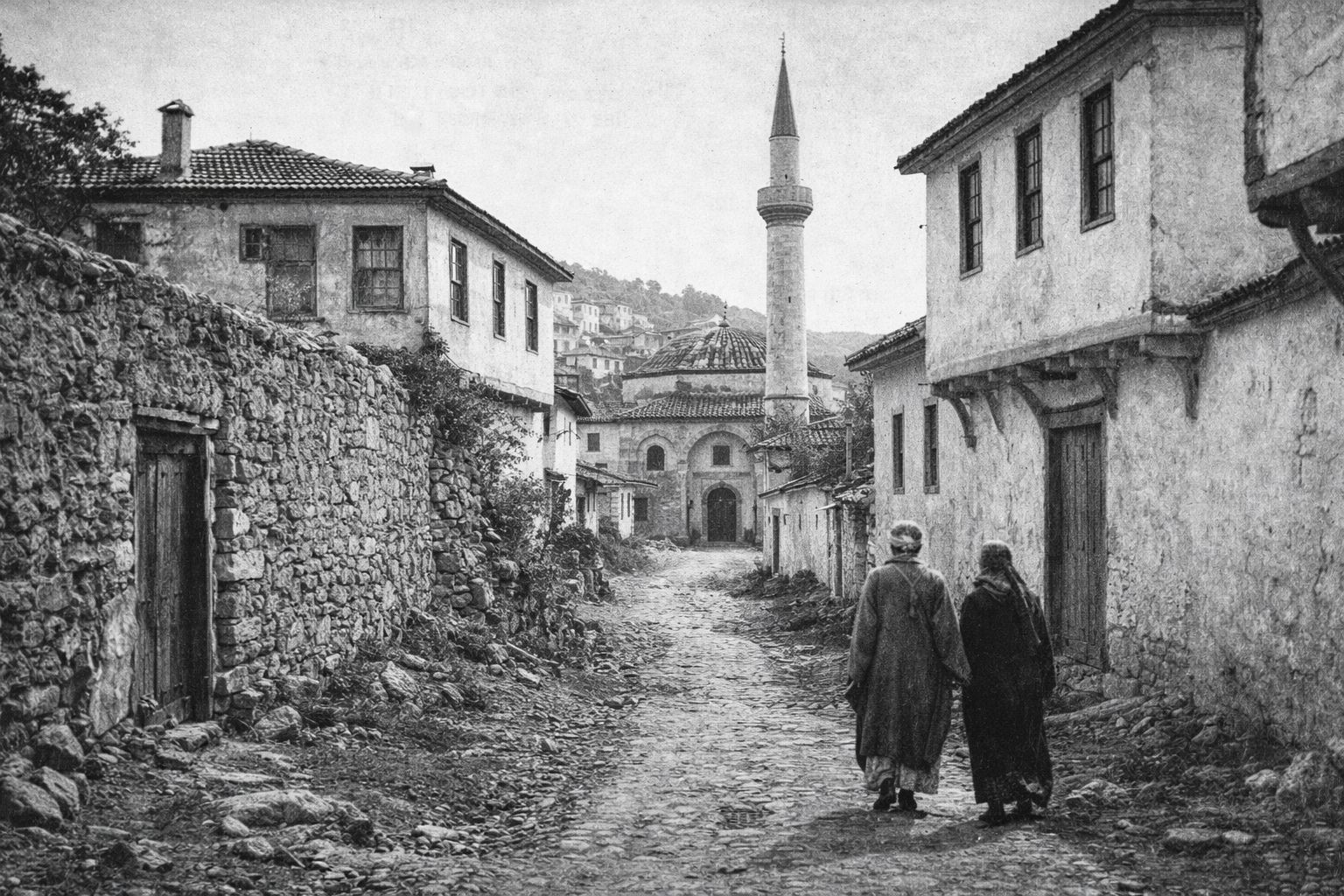
Babadere is a small rural village in the Ayvacık district of Çanakkale Province, located along the coastal road leading from Tavaklı towards Gülpınar. The village lies approximately 10 km from Tavaklı, 21 km from Ayvacık, and about 90 km from the city of Çanakkale. Set within the historic landscape of the Troad, Babadere occupies a quiet position between ancient sites, agricultural land and the Aegean coastline.
Origins and Early History

The name Babadere is known to appear in early twentieth-century records in the form “Babaderesi”, meaning “the valley or stream of the Baba”. This strongly suggests that the settlement was named after a natural watercourse or landscape feature, a common practice in rural Anatolia and often an indicator of long-standing habitation.
Although Babadere itself was never a large settlement, it lies within an area that has seen continuous human activity since antiquity. Nearby hills and elevated ground contain traces of ancient occupation, showing that people lived, farmed and moved through this landscape long before the modern village emerged.
Ancient Connections
One of the most striking links between Babadere and the ancient world can be found in the village mosque. Built around the turn of the twentieth century, the mosque incorporates a carved stone capital believed to originate from the Temple of Apollo Smintheion at nearby Gülpınar. The reuse of ancient architectural elements in later buildings is a long-standing regional tradition and offers a visible reminder of the many layers of history embedded in the area.
This single feature encapsulates Babadere’s place in the wider historical story of the region, where ancient sanctuaries, Ottoman villages and modern communities exist side by side.
Ottoman & Early Republican Period

During the late Ottoman period, Babadere functioned as a small agricultural village, typical of the Ayvacık countryside. Village life centred on farming, animal husbandry and strong family ties. With the establishment of the Turkish Republic, everyday life continued largely unchanged, though gradually influenced by modern administration, education and infrastructure.
The village cemetery includes a number of Ottoman graves. The one featured here is actually situated within the grounds of the mosque and the inscription reads: “He is the Ever-Living. The late and forgiven Hacı Mehmed Ağa, son of Kir Ağa. And for the souls of the other believing dead as well. For his soul, the recitation of the Fātiḥa. In the year 1212”. (1797–1798 in the modern or Gregorian calendar).

This fountain, located just outside the village, is a charitable Ottoman-period foundation. According to its inscription, the structure was commissioned by Mehmed Halife, son of Hacı Ahmed, described as the late and forgiven. The inscription includes prayers for his soul and records that the fountain was built in the year 1289 (1872–1873 in the Gregorian calendar). Fountains of this type played an important role in rural Ottoman life, providing water for travellers, livestock, and those working in the surrounding agricultural landscape.
A village school once operated here, serving local children, though it is no longer in use today. The mosque has remained a focal point of village life throughout these periods.
The 2017 Earthquakes

In 2017, a series of strong earthquakes struck the Ayvacık region, causing widespread damage. Babadere was among the villages most affected, with many houses rendered unsafe or uninhabitable. The earthquakes marked a significant turning point in the village’s modern history and accelerated long-standing challenges linked to rural depopulation and ageing housing stock.
Recovery and Reconstruction
Following the earthquakes, disaster-relief housing programmes were introduced to provide safe accommodation for affected residents. New homes were eventually completed and handed over, bringing a degree of stability and renewal after several difficult years. While the physical scars of the earthquakes remain visible in abandoned and damaged buildings, the reconstruction period represents an important chapter in Babadere’s ongoing story.
Babadere Today
Today, Babadere is a small village of around 160 people. Many of the older stone houses are now empty or completely abandoned, reflecting broader rural migration trends seen across the region. Despite its size, the village benefits from basic modern infrastructure. There is a tarmac access road, full connection to the national electricity grid, telephone lines, and sewage infrastructure.
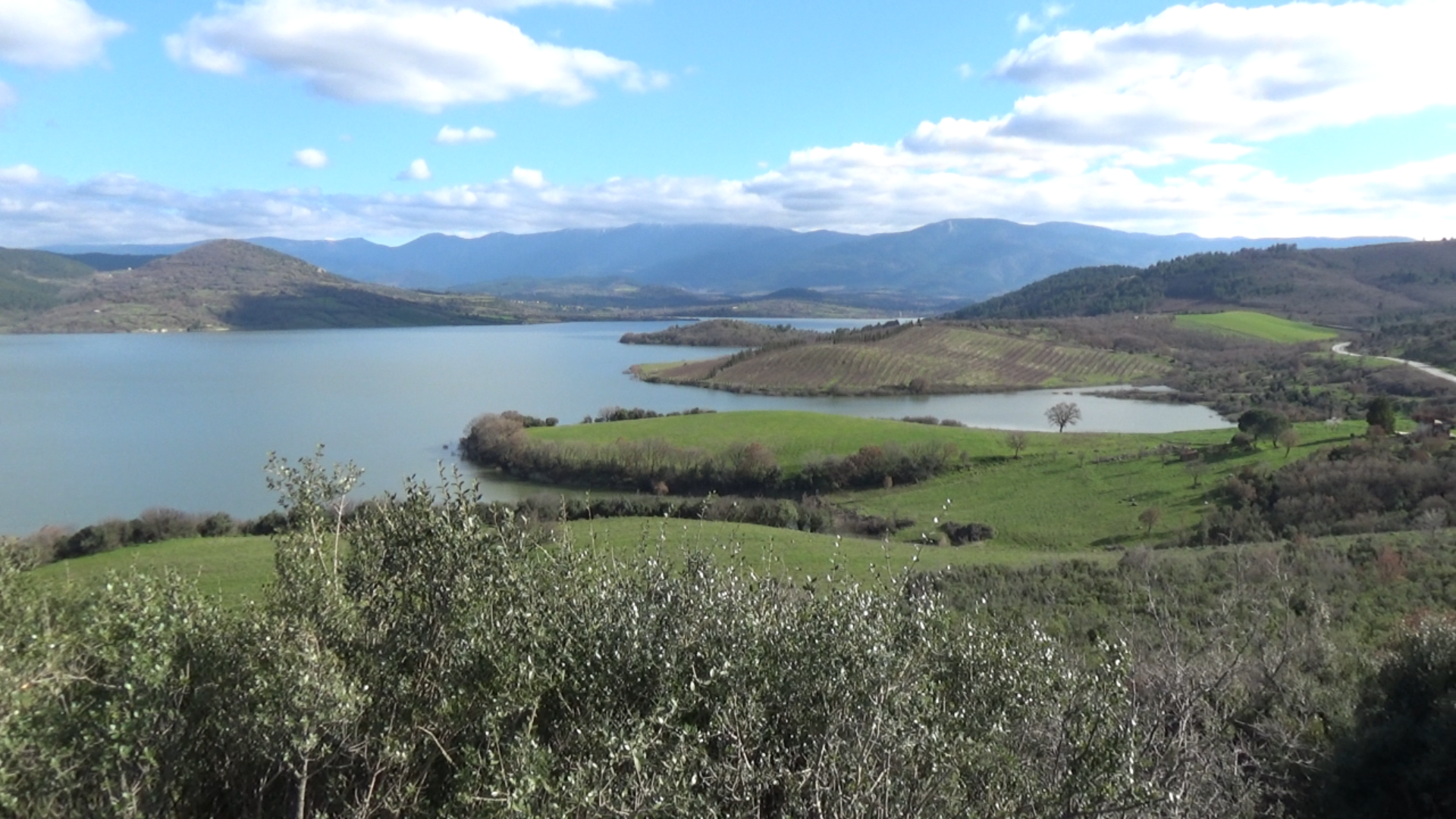
There is no health centre in the village, and residents rely on nearby towns for medical services. Agriculture remains central to daily life, particularly olive growing, along with small-scale livestock farming. The surrounding landscape of olive groves, fields and low hills continues to shape both the economy and the character of the village.
Why Babadere Matters
Babadere may be small and quiet, but it reflects the wider story of rural western Anatolia. From ancient temples and reused stonework to Ottoman village life, earthquakes and modern reconstruction, the village embodies centuries of continuity and change. Its abandoned houses, surviving traditions and enduring connection to the land all speak to the resilience of small rural communities in a rapidly changing world.
To view the Ottoman Graves that we found in the graveyard click here.






Leave a Reply