Gülpınar, Ayvacık
Overview
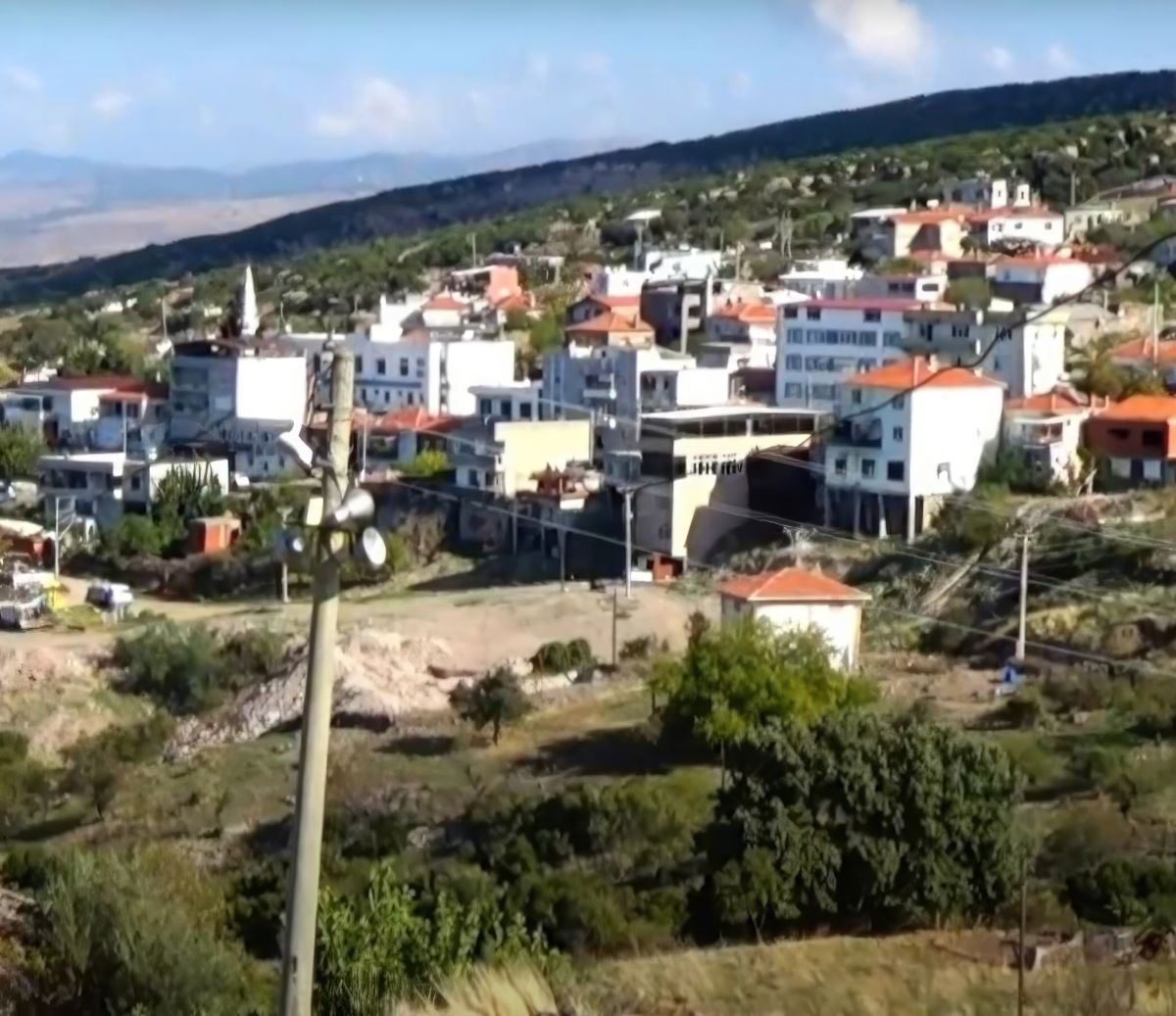
Gülpınar is a historic and lively village in the Ayvacık district of Çanakkale Province, set inland from the Aegean coast and surrounded by fertile countryside. It lies about 12 km from Ayvacık town, close to neighbouring Babadere, and approximately 25 km from the ancient city of Assos (Behramkale). Its position on local routes linking the coast with inland settlements has long made it an important stopping point and service village for the surrounding area.
Although Gülpınar may appear quiet at first glance, it has a strong local identity, a busy weekly market, modern community facilities and distinctive landmarks that reflect centuries of continuous settlement.
Setting and Natural Environment
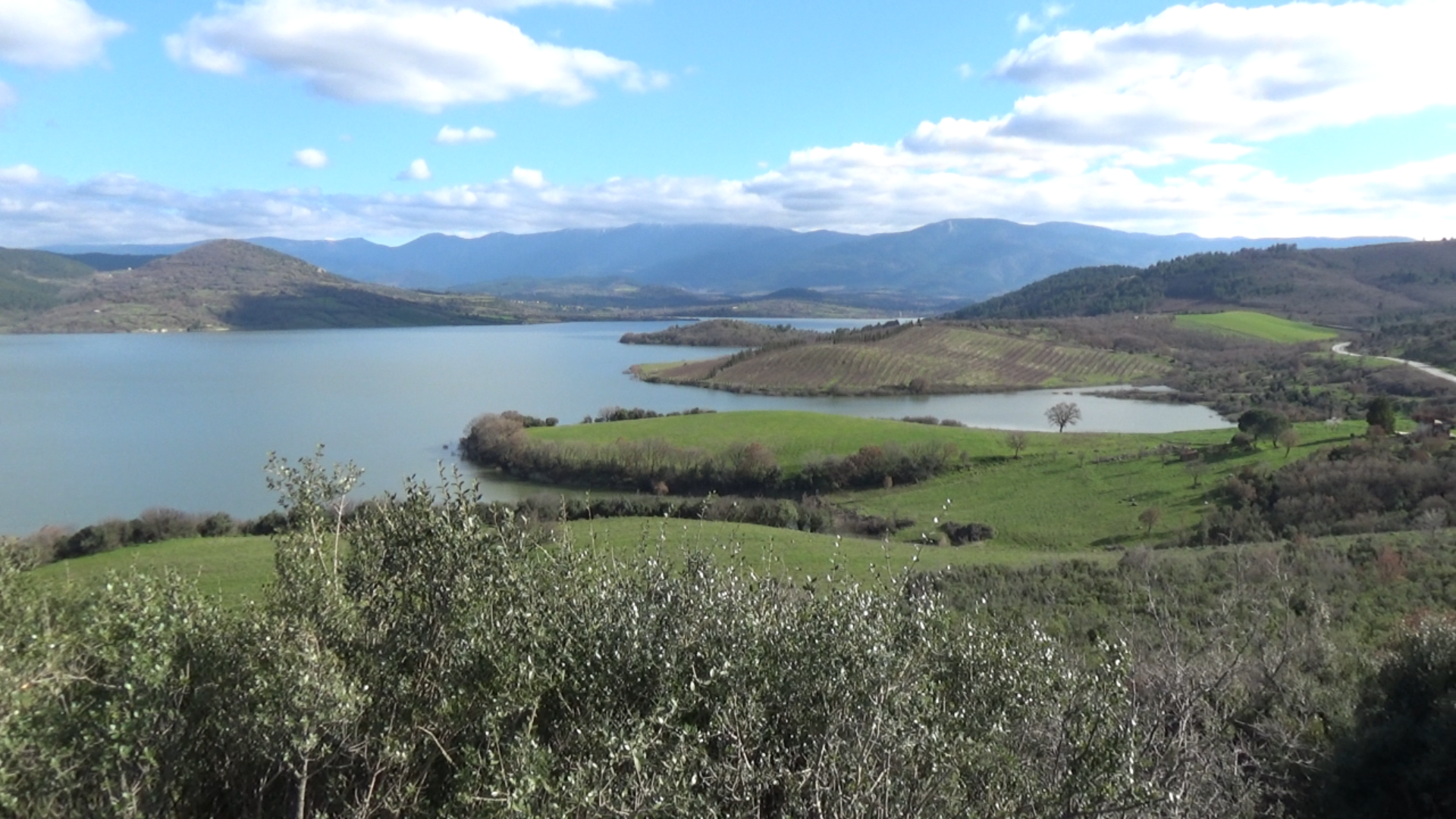
The village is set amid gently rolling farmland, olive groves and land rich in natural water sources. The name Gülpınar, meaning roughly “rose spring”, reflects the importance of fresh water in sustaining settlement and agriculture here over many generations. While not directly on the coast, Gülpınar lies within easy reach of beaches and bays via the Babakale road.
Origins and the Village Name
Gülpınar’s roots stretch deep into antiquity. In the ancient world, the area was associated with a settlement known as Hamaksitós, placing it firmly within the historical landscape of the Troad. Over time, as populations shifted and settlements evolved, the village became known under different names.
In the early twentieth century, the settlement was recorded as Külahlı. During the Republican period, the name Gülpınar was adopted, reflecting the village’s geography and its long association with natural springs. This sequence of names mirrors the deep continuity of habitation in the area.
The Ancient World and Smintheion
Gülpınar’s historical importance is inseparable from the Sanctuary of Apollo Smintheus, located just outside the modern village. In antiquity, this sanctuary was one of the most important religious centres of the region, dedicated to Apollo in his local aspect as Smintheus, a protective and healing deity.
The sanctuary flourished during the Hellenistic and Roman periods, developing into a monumental complex with a temple, altars, processional routes and rich sculptural decoration. The cult of Apollo Smintheus is mentioned in ancient literary traditions, directly linking Gülpınar to the mythological world of Homer and the wider cultural life of the ancient Aegean.
Village Life Through the Ages
Following the decline of the sanctuary, settlement in the area became increasingly rural. During the Ottoman period, Gülpınar functioned as a productive agricultural village, with olive cultivation, livestock farming and mixed agriculture forming the backbone of daily life.
Stone from ancient structures was reused in later buildings, a common practice in the region and one that physically connects the modern village to its ancient past. The layout of streets and buildings still reflects centuries of continuous rural habitation.
Village Features and Landmarks
Village Centre and High Street
Gülpınar’s centre is organised around a paved high street running through the village. Here visitors will find cafés, small shops, a guesthouse and local businesses, including a modern supermarket. Traditional village life continues alongside newer development, giving Gülpınar a welcoming and authentic character.
Education and Community Life
Gülpınar remains an important community hub for surrounding rural areas. The village is home to Gülpınar Primary School, serving local children and nearby settlements. In addition, a multi-programme Anadolu high school provides education for older students, reinforcing the village’s role as an active, living community rather than simply a historic location.
Saturday Market
Every Saturday, Gülpınar hosts a lively weekly market near the old mosque. Stalls offer fresh fruit and vegetables, local produce, clothing and household goods. The market is especially busy during the summer months, when visitors from nearby villages and coastal areas arrive early in the morning. Trading generally winds down around midday, after which the village returns to its quieter rhythm.
The Restored Windmill Café
On a hill overlooking the village stands one of Gülpınar’s most distinctive landmarks: a restored windmill, refurbished by the municipality and now operating as a café. Once part of the area’s traditional agricultural landscape, the windmill has been carefully preserved and adapted for modern use.
From its elevated position, the windmill offers spectacular panoramic views across the surrounding countryside, the coastline and the open sea beyond. Visitors frequently stop here for tea, coffee or local snacks, particularly towards sunset, when the changing light over the sea creates especially memorable views. The windmill café has become a favourite meeting point for both locals and visitors and is widely regarded as one of the finest viewpoints in the area.
Mosques and Historic Buildings
The village is also home to several mosques and older community buildings that reflect its long-standing religious and social life. These structures form an integral part of Gülpınar’s architectural and cultural identity.
Gülpınar Today
Today, Gülpınar remains a vibrant rural village combining traditional agriculture with modern amenities. Its population is modest but active, with strong community ties centred on education, markets and village life. Olive growing continues to play a central role in the local economy, while proximity to ancient sites and the coast brings a steady flow of visitors.
Seasonal tourism adds energy during the warmer months, yet Gülpınar retains an authentic, everyday character that sets it apart from purely touristic destinations.
Why Gülpınar Matters
Gülpınar is a place where history and daily life exist side by side. Ancient sanctuaries, Ottoman village traditions, modern schools, a lively Saturday market and a restored windmill café with sweeping sea views all contribute to a richly layered identity.
More than just a village, Gülpınar is a living example of continuity — a community that has adapted and evolved over centuries while remaining deeply connected to its landscape and past.





Leave a Reply