Traditional Salça Making in Tavaklı
Salça, or tomato paste, is a cornerstone of Turkish cuisine, adding rich flavour to countless dishes. In rural Turkey, making salça is more than just cooking—it’s a seasonal tradition that brings communities together. Here’s how villagers prepare this beloved staple, using both traditional methods and modern machinery.
Harvesting the Best Tomatoes
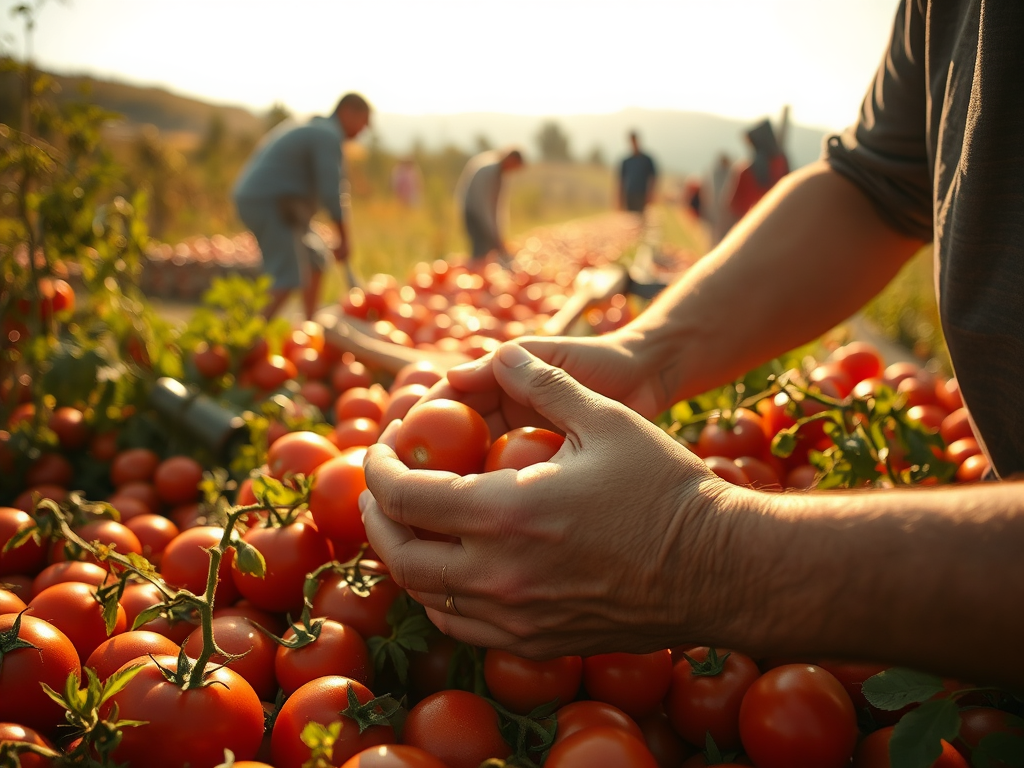
The process starts in the fields during summer. Villagers hand-pick fully ripe, juicy tomatoes, choosing only the best for salça. Careful washing and sorting follow, with damaged fruits set aside to ensure the paste is of the highest quality.
Crushing and Cooking
Traditionally, tomatoes were crushed by hand or using a simple wooden masher. Today, many villages use mechanical tomato crushers to speed up preparation. The crushed tomatoes are transferred into large shallow pans for cooking.
Cooking is slow and requires constant stirring to prevent sticking or burning. Villagers often use long wooden paddles, while some modern setups feature electric or gas cookers with mechanical stirrers, especially in larger operations.
Seasoning and Enhancing Flavour
During cooking, salt is added as the primary seasoning, which also helps preserve the paste. Some villagers add small amounts of red pepper or sunflower oil, depending on local recipes. This enhances flavour and slightly increases shelf life.
Sun-Drying and Storage

Once thickened, the tomato paste may be spread on trays to sun-dry, particularly in hot, dry regions. Occasional stirring ensures even drying. Afterward, salça is packed into jars or sealed containers, ready to be used throughout the year in soups, stews, sauces, and stuffed vegetables.
A Communal Activity
Making salça is often a social, communal affair. Families, neighbours, and friends gather to share tasks: crushing tomatoes, stirring the cooking paste, washing and sorting. Tea and snacks are shared, making the process as much about community and conversation as it is about food.
Modern Adaptations in Villages
While traditional methods remain popular, many villagers now use small-scale machinery. Electric tomato crushers, mechanical stirrers, and modern storage containers make salça-making easier, reducing labour without losing authentic flavour.
Conclusion
Salça-making in Turkish villages blends tradition, community, and culinary expertise. Whether prepared with simple wooden tools or aided by modern machinery, homemade salça captures the taste of summer and the spirit of rural life. It’s a delicious reminder of Turkey’s rich food heritage and the value of working together.








Leave a Reply