
Ayvacık, Çanakkale
Overview
Ayvacık is a historic town and district centre in Çanakkale Province, located approximately 23 km south of Ezine and about 25 km inland from Assos (Behramkale). The town lies directly on the main Çanakkale–İzmir highway, a position that has long made it an important crossroads between the northern and southern Aegean regions.
Although modest in size, Ayvacık serves as the administrative, commercial and social hub for a wide rural area of villages, mountains and coastal settlements stretching towards the Gulf of Edremit. Its location between inland agricultural communities and the Aegean coast gives Ayvacık a character that blends traditional market-town life with deep historical and geographical significance.
Setting and Landscape
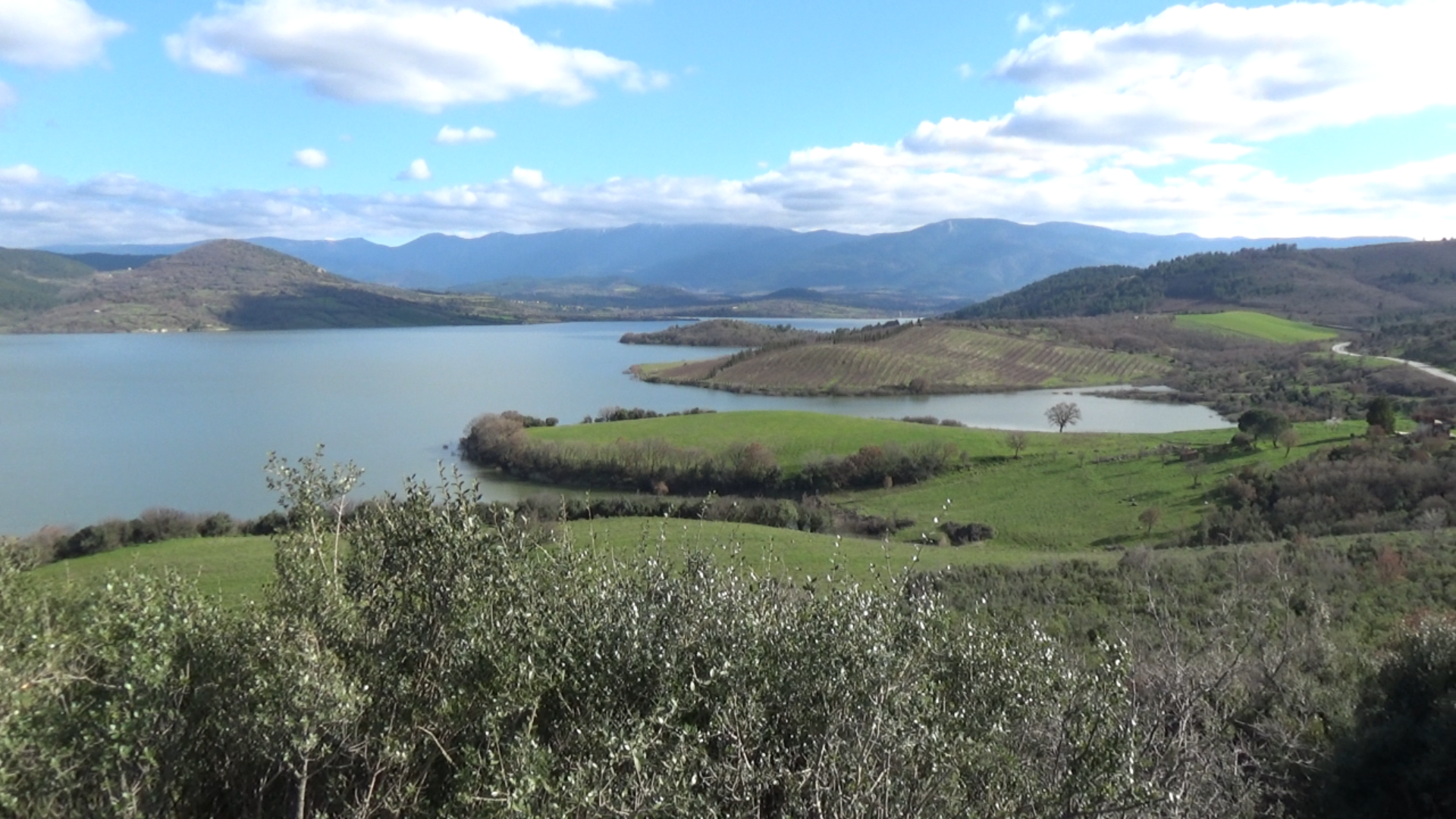
Ayvacık sits at the edge of a dramatic landscape where mountains, forests and the sea meet. Much of the district is wooded, with steep slopes descending towards a coastline marked by rocky headlands, sheltered coves and clear waters. Inland plains and valleys support agriculture and grazing, with olive groves forming a defining feature of the countryside.
From several coastal viewpoints within the district, it is possible to look across the Aegean towards the island of Lesbos (Midilli), reflecting centuries of maritime contact between the Anatolian coast and the islands opposite.
Origins and Early History
It is thought that settlement in the Ayvacık area dates back to at least the 14th century, when the community was known as Kızılcatuğlu. This period corresponds with the gradual Turkish settlement of the region following the decline of Byzantine control.
There is also evidence suggesting that human activity in the area may reach back much further, possibly as far as the Hittite period, indicating that Ayvacık occupies a landscape that has attracted settlement for several millennia. This deep continuity of habitation is a recurring theme throughout the wider Troad region.
Deep Historical Roots of the District
Ayvacık lies within the ancient Troad, an area shaped by thousands of years of settlement, trade and mythology. While the modern town developed later, its district contains some of the most important archaeological sites in north-western Anatolia, bringing the ancient past into close proximity with everyday life.
Assos (Behramkale)
One of the most significant ancient cities within the Ayvacık district is Assos, located at modern-day Behramkale. Founded in antiquity by settlers from Lesbos, Assos became an important centre of learning and philosophy. It is traditionally associated with Aristotle, who is said to have lived and taught there. The city’s commanding hilltop position and well-preserved remains make it one of the most impressive archaeological sites in the region.
Smintheion (Gülpınar)
Another major ancient site is the Sanctuary of Apollo Smintheion at Gülpınar. This important religious centre played a key role in the spiritual and cultural life of the region during the Hellenistic period. Its temple, sculptures and inscriptions link Ayvacık directly to the ancient world of myth, religion and classical art.
Ottoman Period and Cultural Identity
During the Ottoman era, Ayvacık developed into a rural service and market town, supporting surrounding villages through trade, administration and seasonal markets. Agriculture, animal husbandry and olive production formed the backbone of the local economy, while strong community and tribal traditions shaped daily life.
At the main entrance to the town from the highway, near the park, stands a large statue of Barbaros Hayreddin Paşa, the famous Ottoman admiral. Born on Lesbos and later dying in Istanbul, Barbaros Hayreddin Paşa symbolises Ottoman naval power in the Mediterranean and the deep historical links between the Aegean coast and the islands opposite.
Ayvacık is also notable for the number of statues and public monuments found in and around the town, giving its streets and public spaces a distinctive civic character.
The Republican Era and Modern Development
Following the establishment of the Turkish Republic, Ayvacık continued to function as a district centre, gradually benefiting from improved roads, public buildings and public services. Its location on the Çanakkale–İzmir highway reinforced its importance as a stopping point and service town for travellers, traders and surrounding rural communities.
The 2017 Earthquakes
A defining moment in Ayvacık’s recent history came in 2017, when a series of strong earthquakes affected the district. Many villages suffered severe damage, with homes rendered unsafe and communities disrupted. The earthquakes marked a major turning point, leading to extensive rebuilding programmes and renewed attention to rural housing and infrastructure.
Ayvacık Today
Today, Ayvacık is best understood as a compact town serving a large and varied district of villages and coastal settlements. While the town centre remains relatively small, it plays a vital role in administration, commerce and daily life across the region.
Economy
The local economy combines:
- Agriculture and livestock farming, particularly inland
- Olive cultivation and olive oil production, deeply rooted in tradition
- Tourism, driven by beaches, bays, archaeological sites and summer homes along the coast
During the summer months, coastal areas become lively and busy, while inland villages retain a quieter, more traditional pace.
Why Ayvacık Matters
Ayvacık brings together many layers of Anatolia in one place: prehistoric traces, medieval origins, Ottoman maritime heritage, Republican-era development, earthquakes and renewal, alongside one of the most beautiful coastlines in the North Aegean.
It is not a large town, but its importance lies in its role as a connector — between north and south, coast and interior, ancient past and modern life. For anyone seeking to understand the character of southern Çanakkale, Ayvacık remains an essential and revealing place.






Leave a Reply