
The Heart of Village Life: Kahves
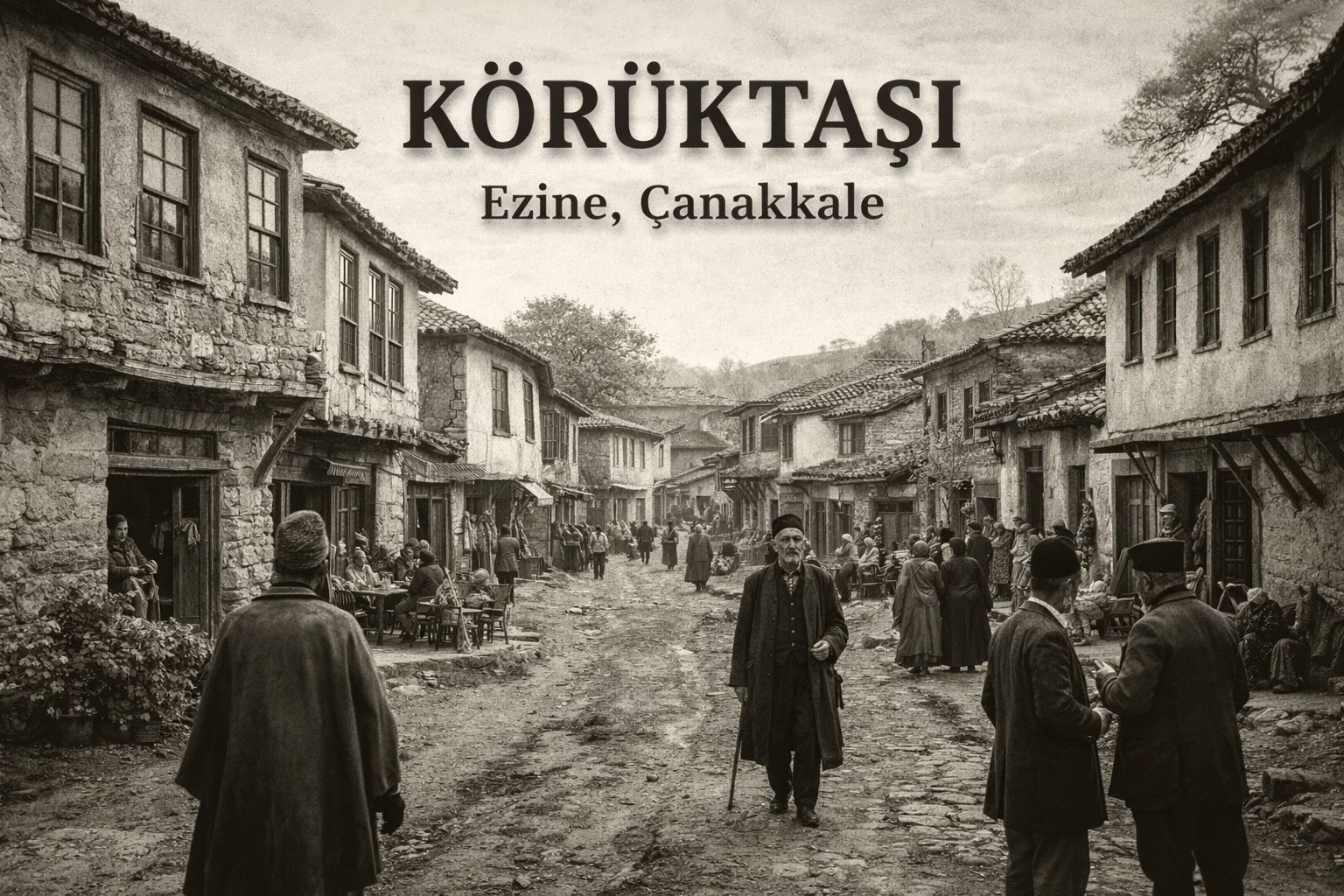
In towns and villages across Turkey, one place remains at the very centre of daily life: the village kahve, often translated as a coffee house or tea room. These simple, familiar spaces—furnished with wooden chairs, well-used tables and large windows facing the main square—serve as the social backbone of almost every community. In Tavaklı Köyü, there are two such kahves, each with its own rhythm, regulars and sense of belonging.
A Living Tradition
The tradition of the kahve stretches back centuries, evolving from the Ottoman-era coffee houses that first appeared in the 1500s. These early establishments quickly became places where men gathered not just to drink coffee, but to exchange news, debate politics, listen to storytellers, or simply pass time together. Over time, the habit reached every corner of Anatolia, adapting to local life and establishing itself as a daily ritual.
Today’s village kahves keep much of this heritage alive. While they may no longer host shadow puppet shows or travelling poets, they still function as meeting points where news spreads, friendships grow, and the familiar pace of rural life continues.

Tea, Games and Companionship
The menu of a village kahve is remarkably simple: endless glasses of freshly brewed tea, strong Turkish coffee, and occasionally herbal teas or cold drinks. But people do not come for the beverages alone.
Visitors often spend time playing okey, tavla (backgammon), cards or dominoes—games that embody both strategy and social humour. The sound of backgammon dice or the thud of okey tiles carries through the open doors on warm evenings and is part of the soundtrack of village life.
Others simply read the newspaper, watch the television news, or sit quietly observing the comings and goings of the village. For many, the kahve is a second home.

Why Mostly Men?
One of the most noticeable features of Turkish village kahves is that they are traditionally male-only spaces. This custom stems not from any official rule but from long-standing cultural patterns. Historically, men spent more time outside the home, engaging in communal work and social activities, while women gathered in houses, gardens or family courtyards.
Although these traditions have softened in modern times—especially in larger cities—it remains common in rural areas for women to prefer gathering in homes or women’s groups rather than visiting the kahve. The kahve, therefore, continues to function largely as a male social hub, preserving a cultural rhythm that has shaped village life for generations.
The Community Centre of the Village
Beyond tea and conversation, kahves also play practical roles:
- They are the informal information centres of the village.
- Notices, announcements and local updates often spread through the kahve long before they appear anywhere else.
- Minibus timetables, market days, harvest news and general village matters are often discussed and shared here.
- They also serve as rest points for those working in the fields or returning from errands.
In this sense, a kahve is far more than a café—it is the social heart of rural Turkey.

Kahves in Tavaklı Köyü
Tavaklı Köyü is home to two kahves, each serving as a lively crossroads for villagers, farmers, artisans and visitors. Both provide a welcoming space where you can observe authentic village culture, hear local stories, and enjoy a glass of hot tea while watching everyday life unfold.







Leave a Reply