Overview
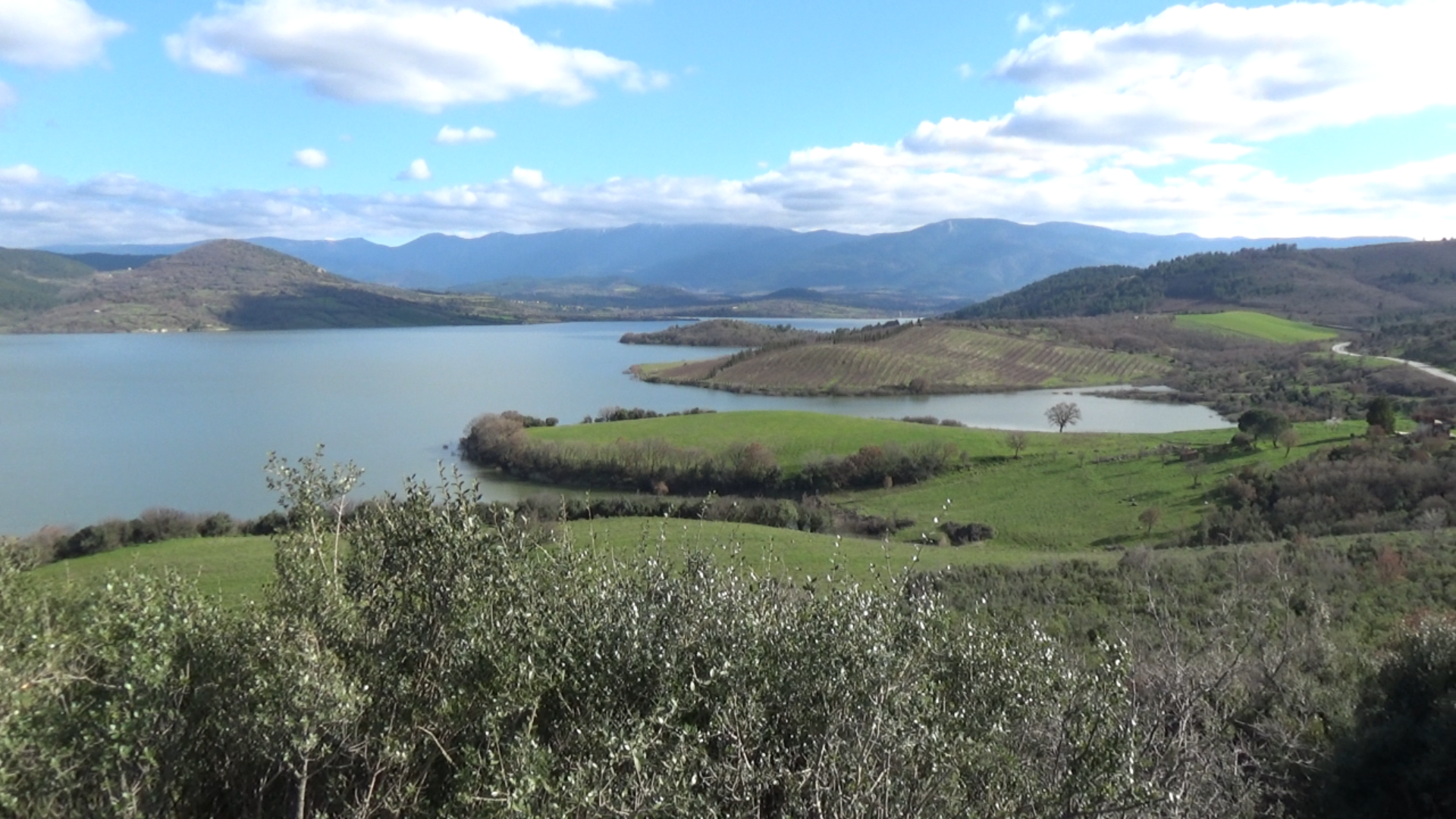
Yahyaçavuş is a village in the Ezine district of Çanakkale Province, located approximately 12 kilometres south of Ezine, set slightly inland from the Aegean coast. Although modest in size, it stands out for the way several layers of history and landscape coexist in one place. Ottoman village life, the memory of a Gallipoli hero, traces of antiquity and a dramatic granite terrain all shape the character of the village.
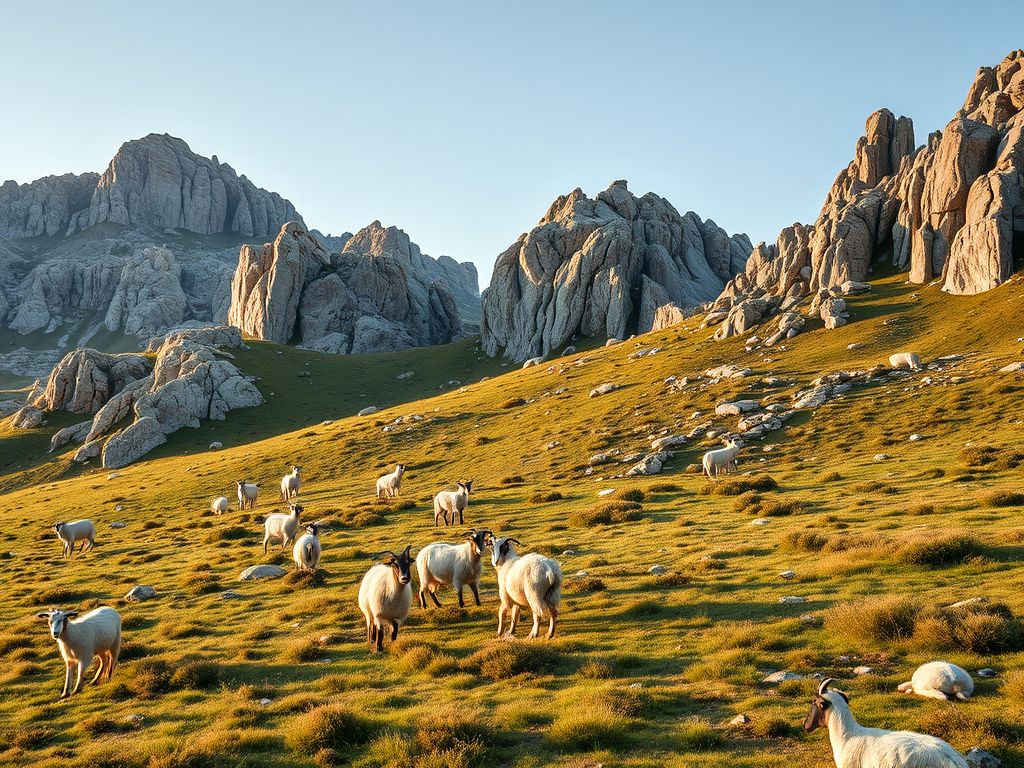
The countryside around Yahyaçavuş is immediately distinctive. Large granite boulders are scattered across the fields and hillsides, giving the land a rugged appearance that differs from many neighbouring villages.
The name of the village and its earlier identity
The village was formerly known as Koçalan Obası and later as Koçali in official records. In 2012 it was renamed Yahyaçavuş in honour of Ezineli Yahya Çavuş, permanently linking the settlement to one of the most recognisable local figures of the Gallipoli campaign.
This change was more than administrative. It marked a conscious effort to preserve local memory and ensure that the story of Yahya Çavuş remained closely tied to the place where he was born.
The old village mosque

One of the most important historical buildings in Yahyaçavuş is its village mosque. Dating from the late Ottoman period and traditionally dated to 1864, the mosque reflects the restrained architectural style typical of rural Ottoman religious buildings.

It is not grand or monumental, but it has long served as a focal point for village life. Its age and continuity make it one of the clearest physical links between present day Yahyaçavuş and its Ottoman past.
Ottoman marble headstones

Like many long established villages in the Ezine area, Yahyaçavuş contains marble headstones from the Ottoman period. These headstones are important historical records in their own right. They preserve names, family relationships, titles and dates in Ottoman Turkish and reflect the social and religious culture of the village in earlier centuries. We visited the graveyard and record some of the old marble grave stones that we found there. You can view them by clicking here.
Although some are weathered or partially buried, their presence confirms that Yahyaçavuş was a settled and organised community well before the modern era.
Granite landscape and ancient stone working
The land around Yahyaçavuş is notably rich in granite. Massive natural boulders dot the fields and hills, and the stone has shaped both the ancient and modern story of the area.
Just outside the village lies a remarkable ancient stone working site where enormous granite columns were cut and partially shaped in antiquity before being abandoned. These unfinished columns remain where work stopped, offering a rare glimpse into ancient industrial activity frozen in time.

In more recent years granite extraction has continued in the wider area. A granite processing facility near the village is visible from a distance, with cut granite blocks and waste stone cascading down the hillside. This creates a striking contrast between the ancient quarrying traces and modern industrial use of the same stone.
Agriculture and village livelihood
Despite the presence of granite works nearby, the main source of income for villagers remains agriculture and animal husbandry. The surrounding land is used primarily for traditional farming typical of the Ezine region.
Villagers grow cereals, animal fodder and seasonal vegetables, while olive cultivation plays an important role, as it does across much of western Çanakkale. Small scale livestock farming, particularly sheep and goats, also contributes to household income, supporting dairy products and local meat production.

Some residents supplement farming with work connected to stone processing, construction or employment in nearby towns, but Yahyaçavuş remains very much an agricultural village at heart.
Yahya Çavuş and his legacy
Ezineli Yahya Çavuş was born in the village in 1887 and later became one of the best known local figures of the Gallipoli campaign during the First World War. His story is associated with courage, endurance and sacrifice and is remembered well beyond the village itself.
By giving the village his name, the community ensured that his legacy would remain part of everyday life rather than only a historical footnote.
The House of Yahya Çavuş Museum

Yahya Çavuş’s former home in the village has been restored and opened as a museum. Today it serves as a place where visitors can learn about his life, his military service and the wider historical context of the Gallipoli period.
The museum also plays an important role in local cultural preservation, linking national history with a very specific village setting.
A village of layered history and landscape
Yahyaçavuş is a village where history is not confined to a single period. The Ottoman mosque dated to 1864, the marble headstones, the ancient granite columns, the modern granite works and the museum dedicated to a twentieth century hero all exist within a short distance of one another.
For visitors interested in the deeper rural history and landscape of the Ezine region, Yahyaçavuş offers a quiet but remarkably rich example of how geology, agriculture and history continue to shape village life in Çanakkale.





Leave a Reply