
The Granite Columns near Yahyavuş (Antik Sütunlar), Ezine
An abandoned stone working site in the rural landscape of the Troad
Near the town of Ezine lies a remarkable and somewhat mysterious site known locally as Antik Sütunlar, or Ancient Columns. Situated beside a large granite rock face, the very bedrock from which they were carved, and surrounded by massive granite outcrops, the site presents a striking and unexpected sight within an otherwise quiet rural landscape. The columns, still lying where they were worked centuries ago, are the unfinished remains of a stone production and export enterprise that was never completed.
Location and setting
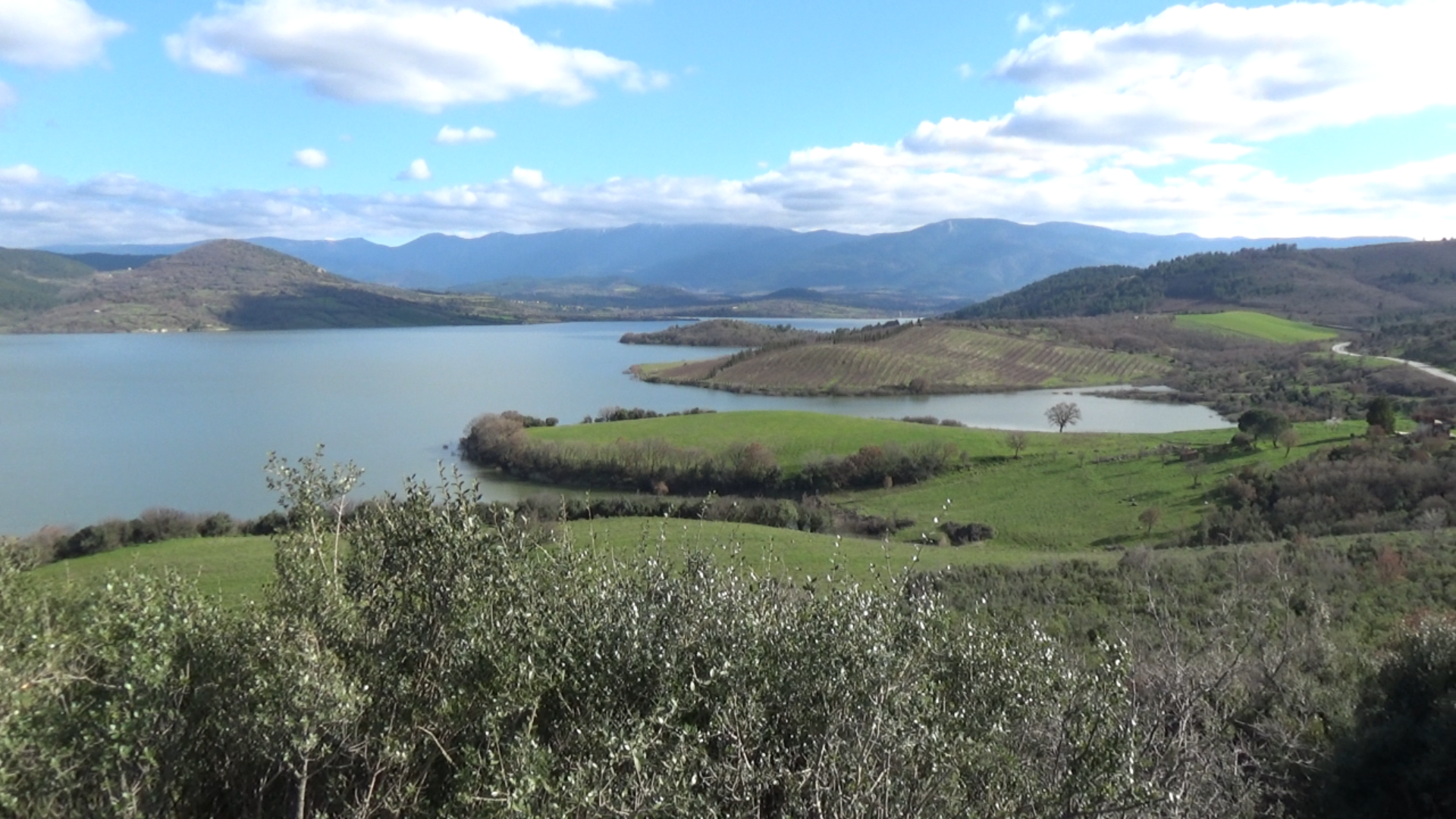
The site is located close to Yahyavuş village, within the Ezine district of Çanakkale Province. It lies in a calm agricultural area, far removed from modern industry or major settlements. The immediate surroundings are dominated by exposed granite bedrock, large scattered boulders and gently rolling farmland.
This geological setting is no coincidence. Granite of this quality and scale was highly valued in antiquity, and its presence here explains why large scale stone working took place at this location.
A granite quarry and column workshop

The columns at Antik Sütunlar were not transported from elsewhere. They were carved directly from the local granite bedrock, using techniques consistent with ancient and late antique stone working practices. The nearby rock face still shows clear evidence of quarrying, including cut surfaces and extraction marks.
Several columns remain in different stages of completion. Some appear largely shaped but not fully finished, while others were abandoned earlier in the working process. Their size and uniformity suggest they were intended as architectural columns for monumental buildings rather than small local structures.
Intended purpose and destination
Granite columns of this scale were typically used in temples, public buildings, bath complexes and imperial or elite architecture.
During the Roman and later Byzantine periods, granite and other hard stones were often quarried in provincial regions and transported to major urban centres or coastal settlements. Given Ezine’s proximity to the Aegean coast and ancient harbour sites, it is highly likely that these columns were intended for shipment by sea.
Nearby ancient coastal settlements and ports would have provided the necessary infrastructure for maritime transport once the columns were moved from the quarry. Their continued presence inland, still at the quarry site, indicates that the project was halted before transportation began.
Why were the columns abandoned

The abandonment of the columns is one of the most intriguing aspects of the site. Several historically plausible explanations can be suggested.
Political or administrative change, such as the collapse of the authority, city or patron funding the work. Economic disruption that made completion or transport financially unviable. Military instability in the region, particularly during the late Roman or early Byzantine periods. Technical difficulties associated with the immense weight and complexity of moving finished granite columns.
Whatever the cause, the work was never resumed, and the columns were left where they lay.
Dating and historical context
Although no systematic archaeological excavation has been carried out at the site, the working techniques and scale strongly suggest a Roman or late Roman Byzantine date. The Troad region experienced extensive building activity during these periods, particularly in cities such as Alexandria Troas, Assos and other coastal centres.
Granite columns quarried in Anatolia were widely used across the eastern Mediterranean. Similar unfinished quarry sites are known elsewhere, but few remain as accessible or as visually striking as Antik Sütunlar.
Export of Anatolian granite abroad

During the Roman Imperial period, Anatolia was one of the principal sources of high quality building stone for the Mediterranean world. Granite and other hard stones quarried in north western Anatolia and the Troad were produced not only for local use but also for export abroad. Archaeological and epigraphic evidence shows that Anatolian stone was transported by sea to mainland Greece, the Aegean islands and other parts of the eastern Mediterranean, where it was used in temples, public buildings and monumental architecture. Ancient ports along the Troas coast played a key role in linking inland quarry sites to international maritime trade routes. In this wider context, the unfinished granite columns near Yahyavuş belong to a well established regional stone industry whose products were often destined for use far beyond their place of origin, even though these particular columns never left the quarry.
Archaeological and cultural significance
Antik Sütunlar is important not because it preserves a finished monument, but because it captures a frozen moment of ancient industry. The site offers valuable insight into stone working techniques, the scale of ancient construction projects, the logistics of monumental architecture and the vulnerability of such enterprises to historical disruption.
Rather than showing the decay of a completed structure, the site tells the story of a project that was never finished at all.
The site today
Today, the granite columns remain exposed to the elements and largely undisturbed. The area is unfenced and lacks formal interpretation, allowing it to retain a raw and unaltered character. This absence of modern intervention enables visitors to encounter the site much as it has appeared for centuries.
For those exploring the rural landscape around Ezine and Yahyavuş, Antik Sütunlar stands as a quiet but powerful reminder of the deep historical layers embedded in the region.
A legacy frozen in stone
The granite columns near Yahyavuş are more than scattered archaeological remains. They represent ambition, labour and long distance connections within the ancient world, while also illustrating how even the most ambitious projects could be halted by changing historical circumstances.







Leave a Reply