Ink Industry of Tavaklı
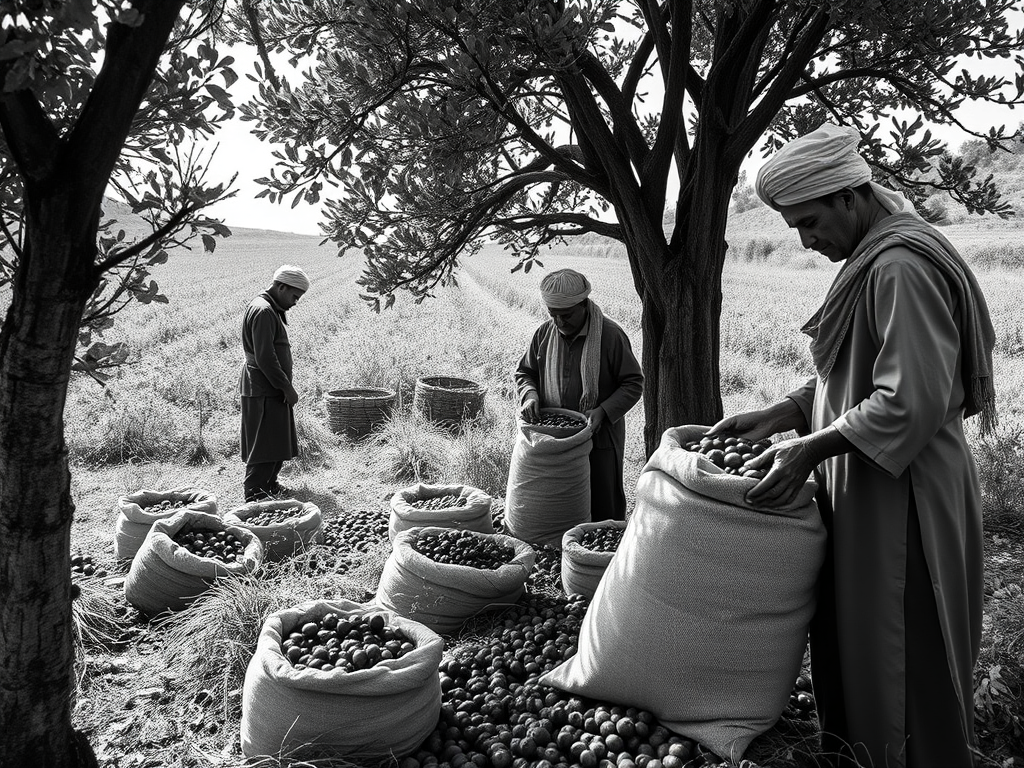
For centuries, people across Europe, the Middle East, and Anatolia relied on oak trees not only for timber and acorns but also for producing inks, dyes, and tanning agents. The main source for this industry was the Aleppo oak, whose galls were particularly valued for their high tannin content.
Galls form when a gall-wasp lays eggs in the oak’s young branches or leaf buds. The tree responds by producing a hardened, tannin-rich growth around the larvae. Once mature, the galls were collected, dried, and processed.

The high tannin concentration in Aleppo oak galls made them ideal for producing iron-gall ink and natural dyes. Artisans crushed the dried galls, soaked them in water to extract tannins, then mixed the extract with iron salts and a binder such as gum arabic. The result was a deep brown or black ink that darkened with exposure to air. The same extracts were also used for leather tanning and textile dyeing.

In the region around Tavaklı and Tavaklı İskelesi, villagers harvested these galls from local Aleppo oak trees, processed them, and exported them to other regions, creating a thriving natural-dye and ink industry.
The arrival of synthetic dyes in the 19th century transformed the industry. Synthetic dyes were cheaper, easier to produce in large quantities, and more consistent in colour. Natural-dye industries, including those based on Aleppo oak galls, could not compete. Demand collapsed, and local economies based on gall harvesting and natural dye or ink production disappeared almost overnight.
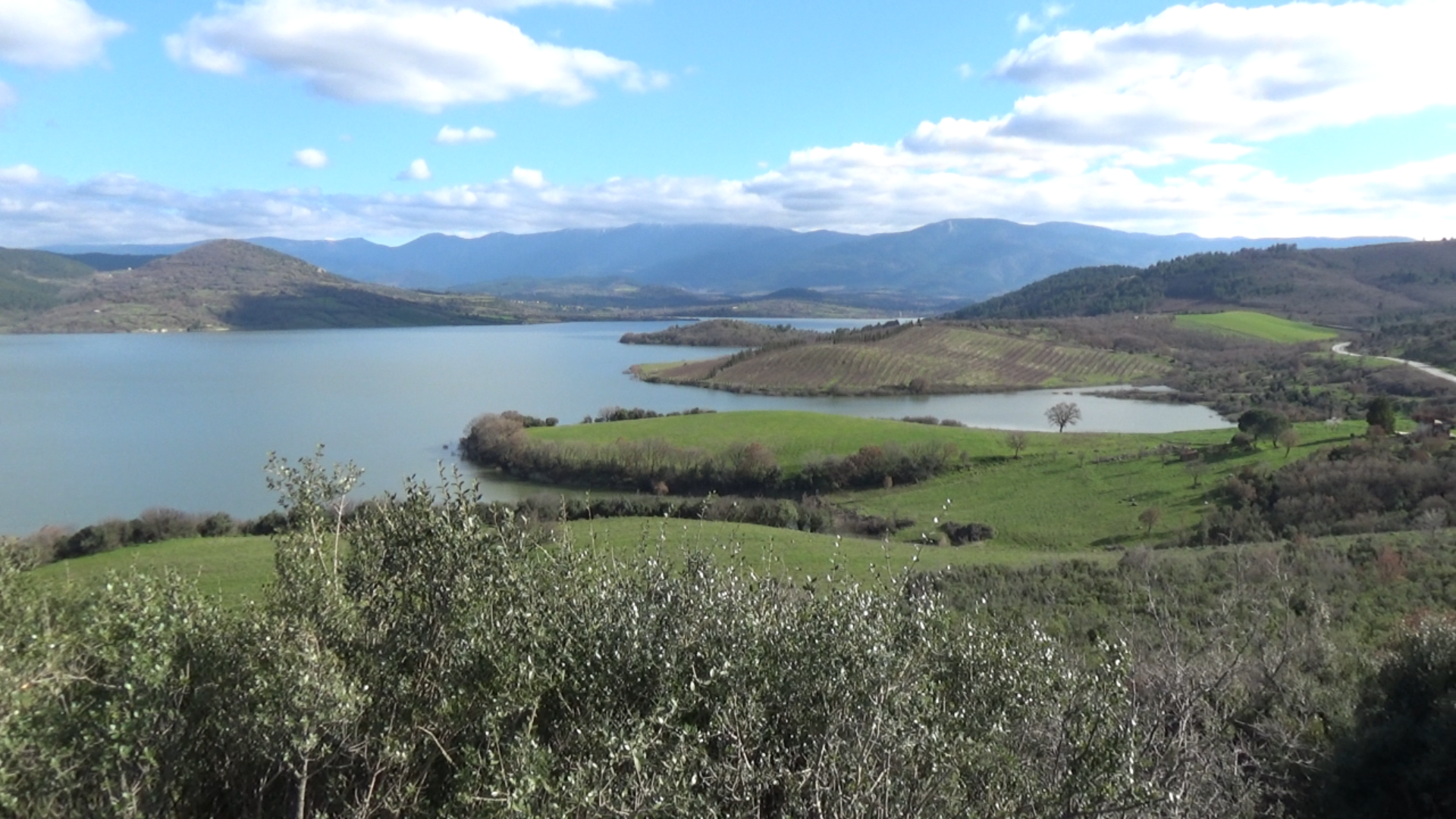
The decline of the industry prompted a shift in local livelihoods. Many families turned to olive cultivation, which remains the dominant agricultural activity in the area today. However, as you travel through the hills and fields around Tavaklı, you will still notice many oak trees standing, remnants of the landscape shaped by the former industry.
The loss of the oak-gall craft represents more than an economic change. It marked the end of a traditional practice rooted in ecological knowledge, seasonal rhythms, artisanal skill, and a close connection with the local landscape.
Today, the story of Tavaklı’s oak-gall industry and the use of Aleppo oak galls remains an important chapter in the region’s history, reflecting the interplay between natural resources, traditional craftsmanship, and global industrial change.





Leave a Reply