Tavaklı, Kösedere, and the Legacy of Ancient Larissa
A Modern Landscape with an Ancient Name
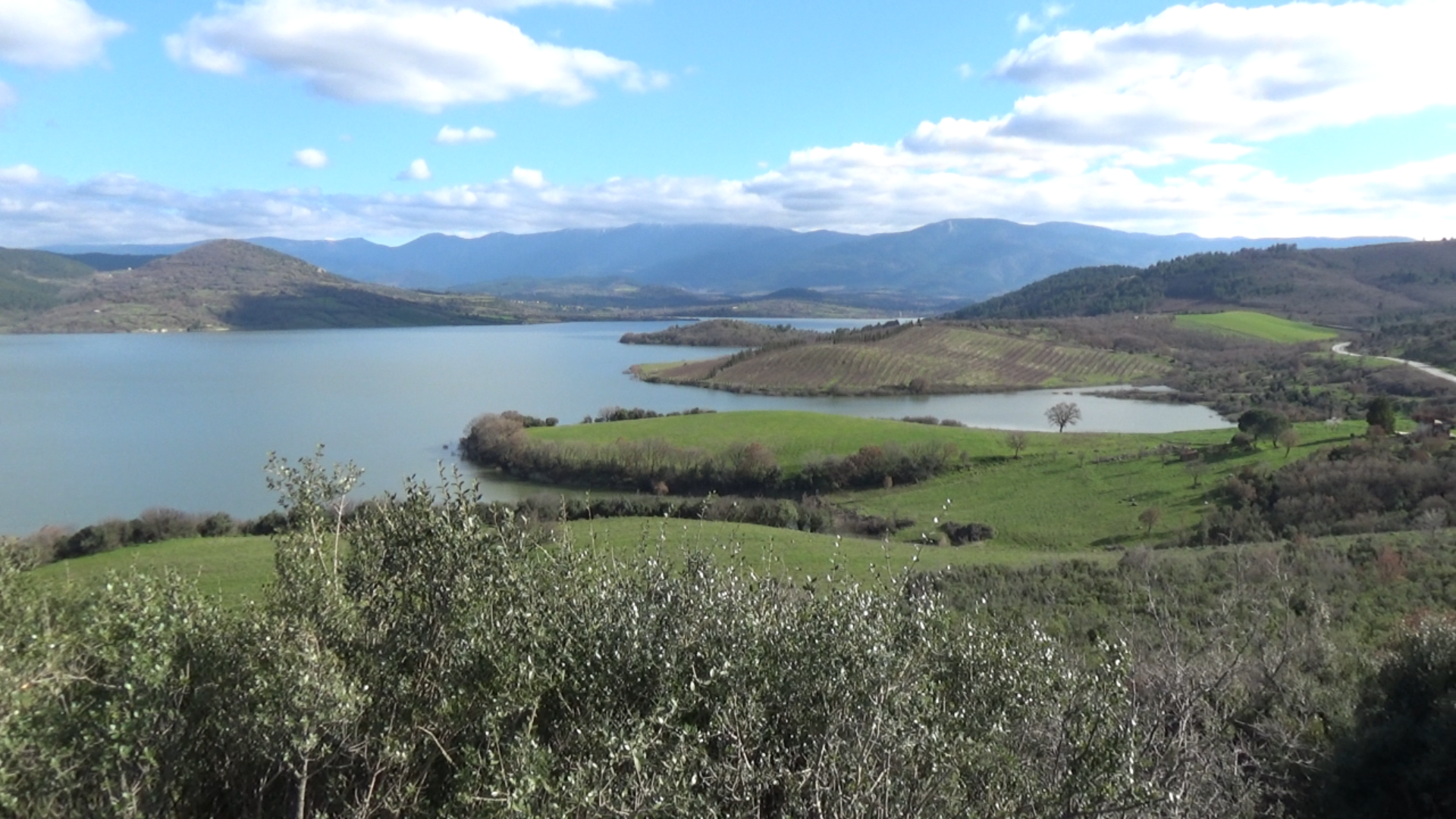
Tavaklı is a small village in the Ezine District of Çanakkale Province, situated near the Aegean coast and including Tavaklı İskelesi, a popular shoreline area. Together with the neighbouring village of Kösedere, Tavaklı lies within the wider landscape historically associated with the ancient settlement of Larissa in the Troad. Because of this, the name Larissa ( Larisa ) is sometimes loosely applied to the area.
Proximity to Kösedere
Kösedere, situated just inland from Tavaklı, lies closer to the area traditionally linked to ancient Larissa. Although neither modern village sits directly atop the archaeological remains, both occupy the plains and foothills that once formed the settlement’s hinterland. For this reason, Tavaklı and Kösedere frequently appear in discussions about Larissa’s broader geographical context.
The Historical Background of Larisa
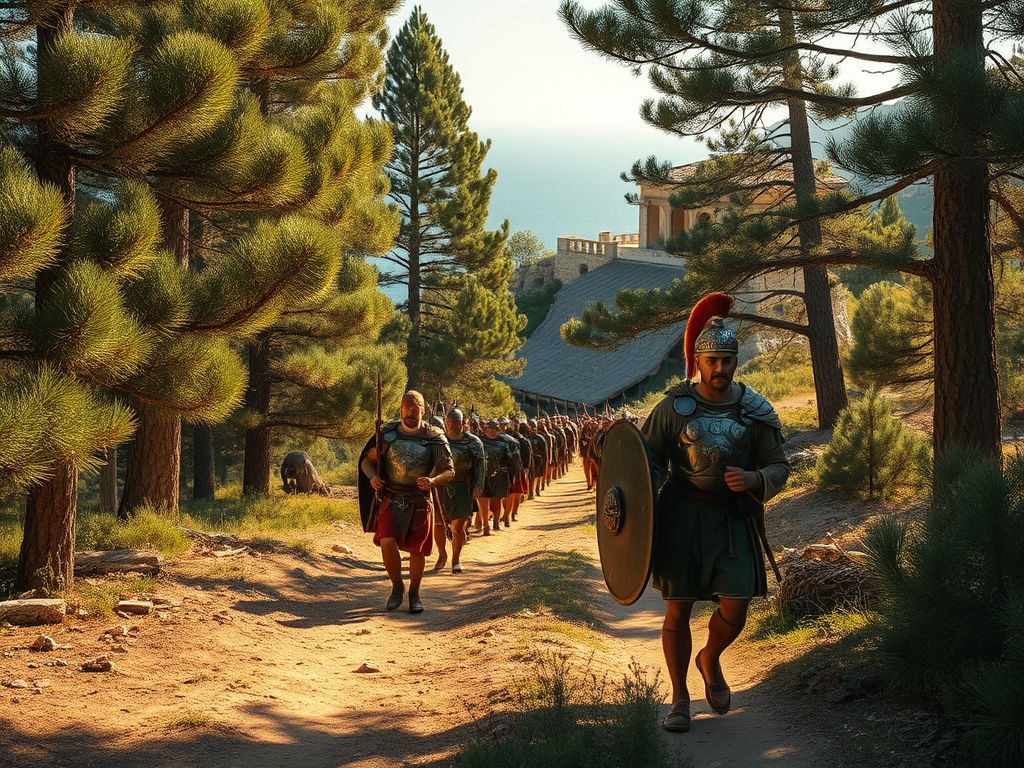
Ancient Larissa was a fortified town strategically positioned to oversee the surrounding plains and coastal routes of the Troad. Possibly founded by pre-Hellenic peoples and later reshaped by Greek cultural influence, it served as a local centre for trade, agriculture, and defence. Over time, the city declined and was abandoned, leaving few visible traces today.
Yet the landscape still whispers possibilities. High on Sakar Dağı, the mountain that dominates the area, stand the remains of an old fortress whose origins are uncertain. No conclusive evidence links it to Larissa, but its commanding views and enigmatic age have led to speculation. Could this structure mark the site of a later fort built atop an ancient stronghold? Or might it reflect the strategic logic that once guided Larissa’s own defences? The unanswered nature of these questions adds a layer of mystery to the region’s ancient past.
Turkic Settlement and Regional History
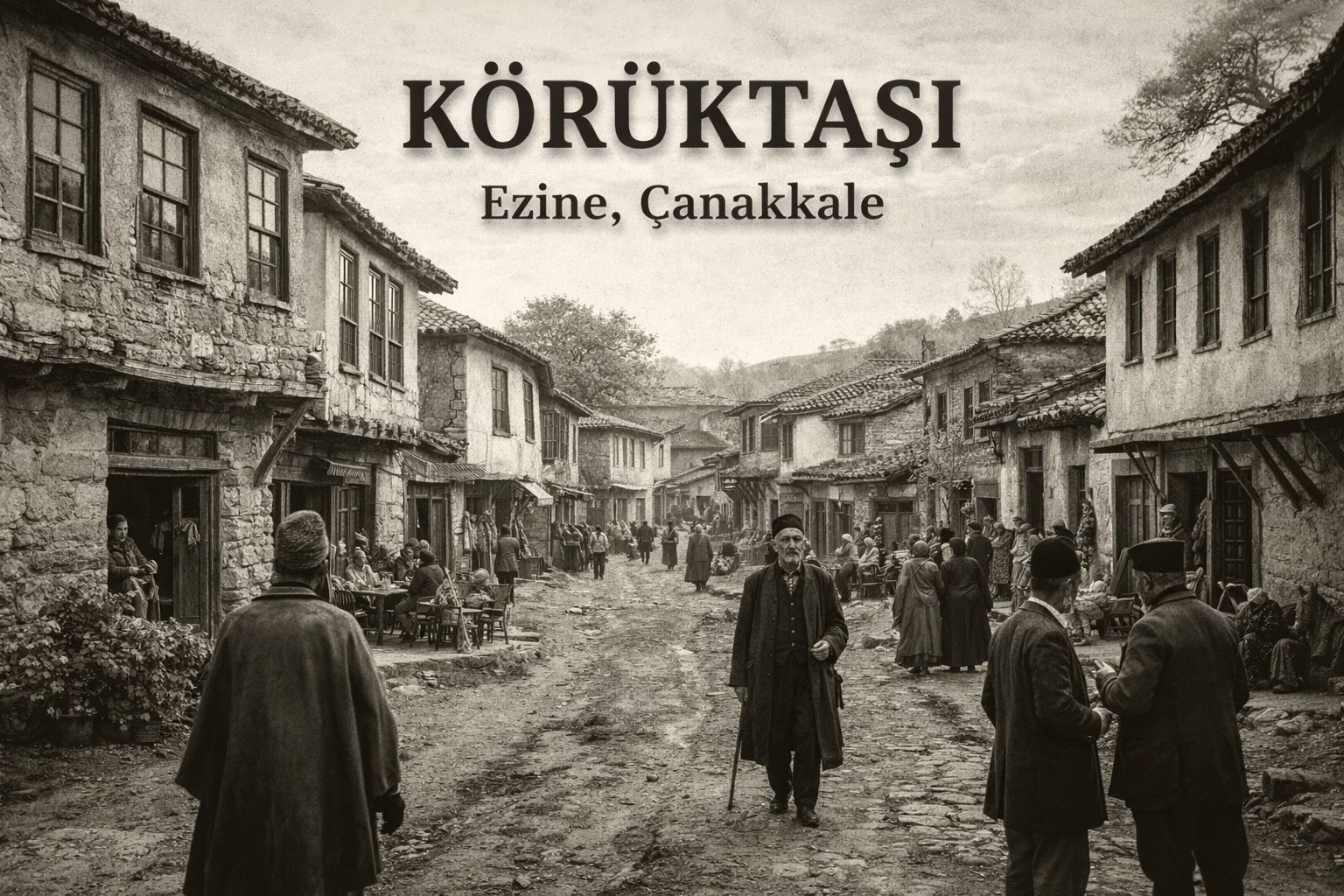
From the 11th century onward, the Ezine region experienced significant change as Oghuz Turkic groups settled across Anatolia following the Battle of Manzikert. By the 14th century, the Danishmend tribe and other Turkic communities had established themselves in western Anatolia, shaping the early formation of villages throughout Çanakkale Province.
Immigration from the Balkans
The late Ottoman period brought further demographic change. After the Russo–Turkish War of 1877–78, large numbers of Balkan Muhacir — mainly Muslim refugees — were resettled across the empire. Over 200,000 arrived, leading to the creation of new villages in the Ezine district, including Osmaniye, Mahmudiye, and Hamidiye, where farmland was distributed to support them.
Migration from Bulgaria continued into the 20th century, particularly after the political expulsions of the 1950s. Many families settled across the Marmara and Aegean regions, receiving homes and agricultural land. Although no evidence directly links Tavaklı to these Muhacir resettlements, neighbouring settlements did form through such government-supported initiatives.
Tavaklı and Kösedere Today
Tavaklı and Kösedere embody a landscape shaped by ancient civilisations, medieval migrations, Ottoman resettlement, and modern rural life. The lingering association with Larissa, combined with the enigmatic fortress on Sakar Dağı, enriches the area’s historical character and hints at stories still waiting to be uncovered.





Leave a Reply