
Overview
Akçakeçili is a village in the Ezine district of Çanakkale Province, located in the gently rolling countryside south of Ezine. Like many villages in this part of the district, it reflects a long continuity of rural settlement, with a way of life centred on agriculture, animal husbandry and close ties to the surrounding land.
Akçakeçili has retained a distinctly traditional character, shaped more by everyday village life than by modern development or tourism.
Location and distance from Ezine
Akçakeçili is situated approximately 15 kilometres south of Ezine, reached by secondary rural roads that pass through farmland and low hills. The village lies within easy reach of Ezine for administrative and commercial needs, while maintaining its own local rhythm and identity.
The origin of the village name

The name Akçakeçili is itself a strong historical clue. It is widely understood to derive from the Akçakeçili Yörük/Turkmen group, a nomadic or semi-nomadic community historically associated with goat herding.
The word keçi (goat) points directly to pastoral life, while Akça may refer to colour, value, or a clan designation. This strongly suggests that the village originated as a Yörük settlement, later becoming permanent as nomadic groups gradually adopted a settled agricultural lifestyle.
Historical background
Akçakeçili represents a familiar but important pattern in western Anatolia: the transition from nomadic or semi-nomadic Turkmen communities to settled village life during the Ottoman period.
While there is no evidence of a large ancient town at the village site itself, the land was clearly suitable for long-term habitation. Over time, seasonal encampments evolved into permanent houses, fields were established, and the village took on its present form.
This kind of gradual settlement history is historically significant, even if it left few monumental structures behind.
Landscape and rural setting

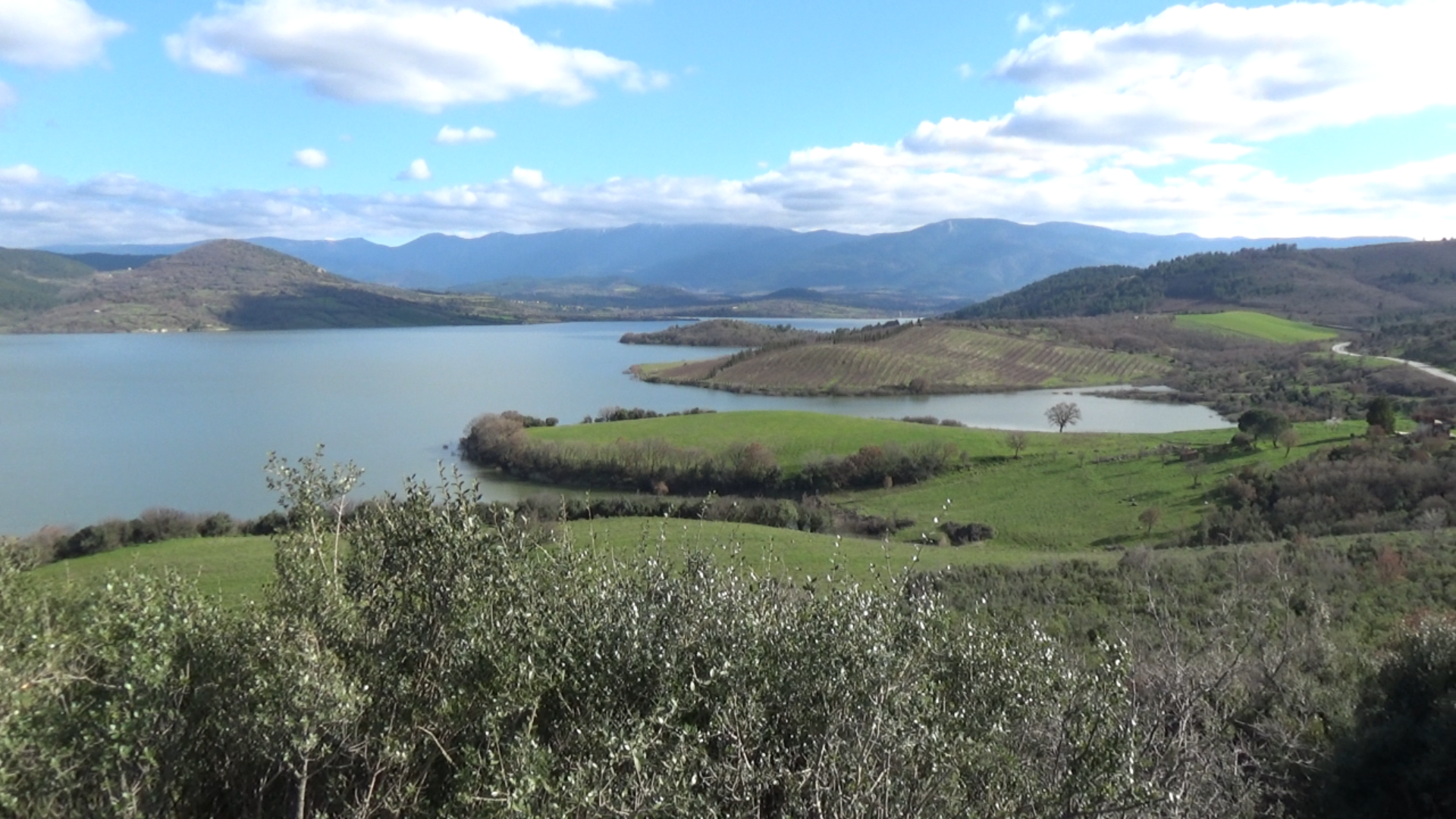
The village is set within a mixed agricultural landscape, with open fields, grazing land and low hills. Stone is present but less dominant than in granite-heavy areas such as Kestanbol. The terrain is well suited to both crop production and animal grazing, reflecting the village’s pastoral origins.
Older boundary walls and farm buildings often make use of locally available stone, while houses reflect practical rural construction rather than formal architectural styles.
Agriculture and village economy
The economy of Akçakeçili is based on traditional agriculture and animal husbandry, continuing patterns that likely go back centuries.
Typical activities include
• sheep and goat farming
• cereal and fodder cultivation
• olive growing
• small household vegetable plots
• limited cattle keeping
Livestock remains an important part of village life, echoing the pastoral roots implied by the village name. Dairy products, meat and seasonal produce form the backbone of household economies.
Some residents supplement farming with work in nearby villages, Ezine, or in construction and transport, but Akçakeçili remains primarily a working agricultural settlement.
Village facilities and daily life
Akçakeçili is a small village with basic local facilities that support everyday life. These typically include
• a village mosque
• a small shop or bakkal
• communal gathering spaces
For schools, health services and larger shopping needs, residents generally rely on nearby Uluköy or Ezine.
The mosque and religious life

The village mosque plays a central role in Akçakeçili’s social and religious life. Although modest in scale, it represents continuity of worship and community life from the Ottoman period into the present.
As in many Ezine villages, the mosque also functions as a meeting point, particularly on Fridays and during religious festivals.
Buildings and village character
Akçakeçili retains a compact rural layout, with houses clustered close together and agricultural land extending outward. Older houses reflect traditional village construction, while newer homes show gradual modernisation rather than abrupt change.
The absence of large-scale development has helped preserve the village’s quiet, lived-in character.
A village rooted in pastoral tradition

Akçakeçili is a village whose history is written less in monuments and more in names, land use and daily practice. Its very name preserves the memory of goat herding communities who once moved seasonally across this landscape.
Today, although life is settled and agricultural, Akçakeçili still reflects that deeper pastoral heritage. For those interested in Yörük history, rural Anatolian settlement patterns and everyday village life, Akçakeçili offers an authentic and quietly revealing glimpse into the Ezine countryside.






Leave a Reply